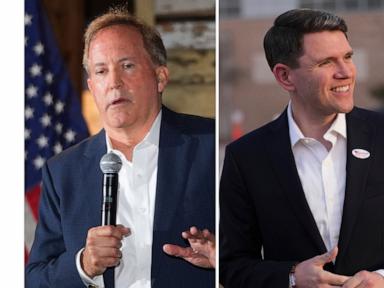
Republicans entered 2024 confident they would retain Senate control. That calculation has shifted dramatically. With less than two months until Election Day, the fight for the chamber is now genuinely competitive, with Democrats making unexpected gains in races previously written off as Republican holds.
The Senate map has redrawn itself in recent weeks. Several Republican incumbents face tighter-than-anticipated races in states Donald Trump won decisively in 2020. Democrats have recruited strong candidates in traditionally red terrain and seen cash flood into previously neglected races. National political forecasters have moved races from "leans Republican" to "toss-up" territory.
The Democratic path to 51 seats, which would give them control, now appears viable. This reversal reflects multiple factors. Abortion rights mobilization following the Supreme Court's Dobbs decision continues to energize Democratic voters. In some states, Republican nominees embrace positions on reproductive rights that alienate moderate voters. Candidate quality matters too. Democrats nominated seasoned politicians and successful businesspeople in several races, avoiding the recruitment failures that plagued them in 2022.
Republican vulnerability extends across the map. In Ohio, a traditionally red state, Democrat Sherrod Brown faces Republican Bernie Moreno in a race tightening as Election Day approaches. Pennsylvania remains competitive with Democrat Bob Casey facing Republican Dave McCormick. Arizona presents another battleground where Democrat Ruben Gallego contends with Republican Kari Lake, whose election denial rhetoric has complicated Republican efforts to build a mainstream coalition.
The GOP retains advantages in some contests. Republicans defend fewer total seats than Democrats this cycle, a structural benefit. Several Democratic incumbents in red states remain in genuine jeopardy. Jon Tester in Montana and Sherrod Brown in Ohio represent pickup opportunities for Republicans if they execute effectively. But Republicans must defend their current holdings while simultaneously trying to expand their majority. That two-front battle has become harder.
Turnout dynamics will prove decisive. Presidential election cycles typically see higher overall participation, which generally benefits Democrats. Abortion remains a potent issue driving Democratic volunteer efforts and fundraising. Republicans counter that inflation, border security, and crime motivate their base. Both parties recognize the Senate majority hinges on which coalition turns out more effectively.
The financial picture has transformed. Democratic groups and donors, sensing real opportunities, have redirected resources toward Senate races. Republican donors, initially confident about holding the chamber, now face pressure to defend seats they expected to keep safely. This reallocation of money amplifies the competitive nature of races.
Control of the Senate carries outsized importance. The chamber confirms federal judges, including Supreme Court justices. It approves Cabinet members and key administration officials. Senate committees conduct investigations and oversight. Whoever controls the chamber shapes the legislative agenda for the final two years of the Biden presidency or sets the tone for a Trump administration starting in 2025.
Republicans enter the final stretch of the campaign needing to stabilize races that slipped from their grasp. Democrats smell opportunity and intend to capitalize on momentum they built through strong candidate recruitment and voter mobilization. The chamber that seemed locked up six months ago now remains genuinely up for grabs.