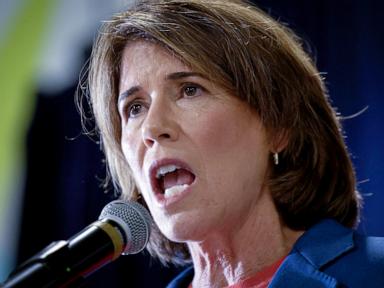
Helena Foulkes won Rhode Island's Democratic gubernatorial primary against incumbent Governor Dan McKee on Tuesday, marking the first primary defeat for a sitting Rhode Island governor in eight years.
Foulkes, a businesswoman and former CVS executive, defeated McKee in a race that tested voter appetite for change in the state. McKee ascended to the governorship in 2021 after former Governor Gina Raimondo resigned to join President Biden's cabinet as Secretary of Commerce. He had sought a full second term this cycle.
The primary result reflects growing dissatisfaction with McKee's administration among Democratic voters. McKee faced criticism on multiple fronts during his tenure, including concerns about education funding, infrastructure spending, and economic development priorities. Foulkes positioned herself as an outsider capable of bringing private sector efficiency to state government.
Foulkes brings significant business credentials to the race. Her background at CVS Health, one of Rhode Island's largest employers, provided her with name recognition and credibility on economic issues. She emphasized job creation and fiscal management in her campaign messaging, appealing to voters seeking a different direction for state leadership.
McKee's primary loss carries broader implications for Democratic politics in Rhode Island. The state has maintained strong Democratic control, but the primary challenge signals that even entrenched incumbents face vulnerability when voters believe their performance falls short. McKee had served as lieutenant governor under Raimondo before inheriting the top job, yet that experience failed to insulate him from primary opposition.
The timing of McKee's defeat matters. Rhode Island conducted its primary relatively early in the 2024 election cycle, and the outcome sends a message about voter sentiment during a period when inflation and cost-of-living issues dominated national politics. McKee's inability to successfully argue for his record on economic management proved costly.
Foulkes now advances to the general election as the Democratic nominee. Rhode Island's strong Democratic lean means the primary victor typically wins the general election. The state has not elected a Republican governor since 2014, and voter registration heavily favors Democrats statewide. This suggests Foulkes has a clear path to the governorship if she maintains momentum through November.
The 2024 Rhode Island gubernatorial race joins a broader pattern of anti-incumbent sentiment in Democratic primaries nationwide. Voters have demonstrated willingness to reject sitting governors and senators when they perceive inadequate response to their concerns, even within the party's base. McKee joins a list of Democratic governors who faced serious primary challenges in recent cycles.
For Rhode Island specifically, the Foulkes victory opens a new chapter in state governance. Her business-first approach contrasts with McKee's more traditional Democratic messaging. She will face scrutiny on whether her corporate experience translates effectively to public sector challenges like education reform and addressing Rhode Island's persistently high poverty rates.
The general election campaign ahead will test whether Rhode Island voters embrace Foulkes' private sector credentials or seek a different Democratic candidate. However, barring unexpected developments, Foulkes appears positioned to become Rhode Island's next governor following this decisive primary win.