# Midterm Elections Enter Final Sprint as Campaigns Mobilize for Labor Day
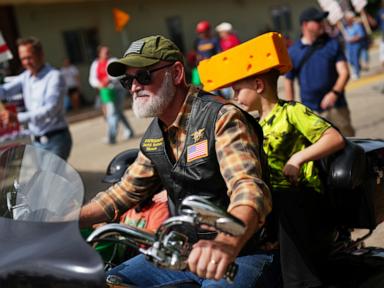
Competitive House and Senate candidates across multiple states are ramping up campaign activity as Labor Day marks the traditional start of the general election home stretch. Candidates appeared at festivals, union halls, and parades over the Labor Day weekend, signaling intensified efforts to reach voters in the final two months before November.
The timing reflects a campaign strategy rooted in political tradition. Labor Day has long served as the unofficial kickoff for serious general election campaigning, when voter attention typically sharpens and advertising spending accelerates. This year, candidates are using the holiday events to court union members and working-class voters who often decide close races in swing districts and battleground states.
Several states show competitive dynamics that will shape control of Congress. House races in key districts remain tossups, while multiple Senate seats could flip depending on voter turnout and candidate performance in the final months. Campaigns invest heavily in Labor Day visibility because event attendance allows direct voter contact and generates local media coverage without relying solely on paid advertising.
Union participation signals the importance of labor constituencies to Democratic candidates, while Republican candidates often use the events to appeal to working-class voters concerned about inflation, gas prices, and jobs. Both parties recognize that elections are won on kitchen table issues that affect paychecks and household budgets.
The midterm cycle typically experiences a shift in voter attention after Labor Day. Campaign spending increases, television advertising intensifies, and debates between candidates often occur in September and October. Candidates who fail to establish name recognition and message clarity before September find it harder to break through late in the race when voter attention becomes more selective.
Current political dynamics favor Republicans in the generic congressional ballot, with historical precedent suggesting the party holding the White House typically faces headwinds in midterm elections. President Joe Biden's approval ratings have recovered somewhat from summer lows, but inflation remains a persistent concern for voters. Democrats are banking on enthusiasm around abortion rights following the Supreme Court's decision to overturn Roe v. Wade, while Republicans emphasize crime, border security, and economic management.
The final stretch determines which messages stick with voters and which candidates can mobilize their supporters effectively. Campaigns that built strong grassroots infrastructure during the primary season hold advantages in turning out their base. Candidates who refined their messaging and established fundraising networks enter the home stretch with resources to compete on television and digital platforms.
Labor Day events also serve as testing grounds for closing arguments. Candidates road-test rhetoric at rallies and events, gauging crowd reactions and refining language based on voter responses. What resonates in union halls may differ from messaging that works in suburban living rooms or rural towns, and candidates adjust accordingly based on demographic composition of audiences.
Election day remains roughly two months away, but the calendar pressure intensifies immediately after Labor Day. Early voting begins in many states within weeks, and mail-in ballots arrive before November 8. Campaigns must accelerate their voter contact efforts and ensure supporters know when and where to vote.