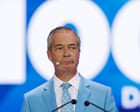
Nigel Farage, leader of Reform UK, faces mounting pressure after undercover reporting revealed senior party aides discussing methods to circumvent electoral laws governing foreign donations. Farage acknowledged the revelations present a serious problem for his party, admitting the situation "looks bad" in public comments.
The undercover investigation, conducted by journalists, captured conversations among Reform UK officials plotting strategies to bypass restrictions on accepting money from overseas donors. Such donations are prohibited under UK electoral law to prevent foreign interference in domestic politics and ensure campaign financing remains transparent and accountable to British voters.
Farage's admission that the matter appears damaging signals recognition within Reform UK's leadership that the party faces genuine legal and reputational jeopardy. The party has surged in polling over recent years, positioning itself as an insurgent force challenging both the Conservative Party and Labour. This scandal threatens that positioning by raising questions about the integrity of the organization and whether it operates within the bounds of democratic rules.
The specifics of what senior aides proposed remains central to potential regulatory consequences. The Electoral Commission, the independent body overseeing campaign finance in Britain, holds authority to investigate alleged violations and impose penalties ranging from fines to restrictions on future fundraising. If evidence demonstrates deliberate coordination to circumvent foreign donation rules, Reform UK could face formal charges and enforcement action.
For Farage personally, the controversy tests his credibility as an anti-establishment figure. Reform UK has built its appeal partly on criticizing traditional parties for corruption and mismanagement. When a party's own leadership appears willing to bend electoral law, that message loses force. Farage previously led the Brexit Party, which also faced scrutiny over donation practices, creating a pattern that opponents will exploit.
The timing compounds political damage. Reform UK has consolidated support among voters dissatisfied with both major parties, particularly on immigration and economic grievance. That base expects Reform to operate differently from "the establishment," a distinction the donation scandal directly undermines. Candidates and supporters may distance themselves if legal consequences mount.
Electoral law violations carry real stakes beyond reputational harm. Breaches can result in criminal referrals to police, asset seizures, and mandatory compliance monitoring. The Electoral Commission has prosecuted cases before, and precedent exists for substantial penalties. Reform UK's rapid growth means the party has limited institutional experience navigating such crises, and damage control becomes complicated if multiple officials face investigation.
The story also reflects broader tension in British politics around campaign finance transparency. Parties across the spectrum have faced scrutiny over donation practices. Reform UK's apparent willingness to discuss foreign money schemes openly in front of undercover reporters suggests either operational carelessness or confidence that enforcement remains weak. Either reading raises questions about party discipline and institutional culture.
Farage's acknowledgment that things "look bad" appears designed to manage expectations rather than address underlying legal exposure. The admission itself, made publicly, creates a record that investigators can reference. It suggests Farage understands the jeopardy but believes managed communication limits fallout better than denial.
The Electoral Commission will determine next steps. A formal investigation could paralyze Reform UK's operations during a critical period for the party's development. For Farage, navigating this scandal while maintaining movement momentum presents the most complex leadership test since Reform UK's founding.