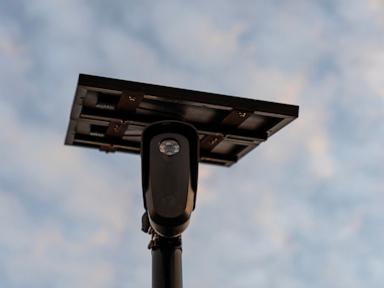
Surveillance technology has emerged as an unexpected flashpoint in midterm campaigns, with candidates nationwide attacking Flock Safety, the company behind the rapidly expanding network of automated license plate recognition cameras found on thousands of streets and private properties across America.
The company's cameras capture vehicle license plates and store the data in searchable databases accessible to law enforcement. What started as a public safety tool has become a privacy lightning rod, energizing voters and politicians on both sides of the political spectrum who view mass surveillance infrastructure as a threat to civil liberties.
Democratic and Republican candidates alike have seized on Flock as a symbol of unchecked corporate power and government overreach. Progressive candidates cite privacy violations and the disproportionate impact on communities of color, arguing that automated surveillance systems perpetuate discriminatory policing. Conservative candidates attack Flock on different grounds, viewing it as an infringement on individual liberty and government intrusion into citizens' movements.
The bipartisan opposition reflects a rare moment of agreement in polarized American politics. Voters express discomfort with the scale and scope of Flock's surveillance network, which now covers significant portions of major metropolitan areas and suburban communities. The lack of transparency around how data is collected, retained, and shared has fueled public concern.
Several state and local races have made Flock Safety a central campaign issue. Candidates promise to ban the cameras or impose strict limitations on their deployment if elected. Some campaigns highlight instances where Flock data was accessed without proper legal authority or used in ways communities did not anticipate or approve.
The Flock surveillance debate taps into broader voter anxieties about technology companies' reach into daily life. It parallels concerns about social media platforms' power, data collection practices, and the relationship between Silicon Valley corporations and government agencies. Voters increasingly demand accountability from tech companies and stricter regulations on how personal data is gathered and used.
Community organizing has amplified the issue. Privacy advocacy groups have mobilized voters in key districts, providing information about where cameras operate and pushing candidates to take clear stances. Public meetings and town halls have featured heated discussions about surveillance, with residents expressing anger that their movements are being tracked without informed consent.
Local ballot initiatives in some areas would restrict or eliminate Flock cameras, giving voters direct say over surveillance infrastructure. These measures signal a shift toward treating surveillance technology as a political issue worthy of electoral attention, not merely a law enforcement tool beyond public debate.
The midterm focus on Flock reflects changing voter priorities. Technology regulation and privacy protection now rank alongside traditional issues like inflation, crime, and healthcare in some competitive races. Candidates recognize that surveillance resonates with constituencies worried about government power, corporate accountability, and the erosion of privacy in the digital age.
For Flock Safety, the political heat creates pressure to address community concerns more directly. The company faces potential regulatory restrictions depending on midterm outcomes, particularly if privacy-focused candidates and ballot measures succeed. The outcome of this election cycle will likely determine whether Flock's expansion continues or faces significant constraints.