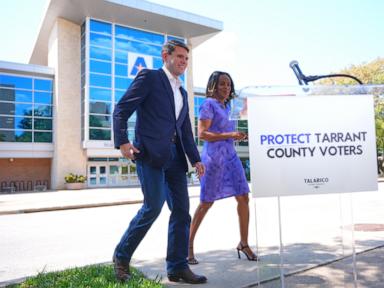
# Texas County's Polling Site Cuts Draw Democratic Opposition Ahead of Midterms
Officials in a major Texas county are planning to operate dozens fewer polling locations for the November midterm elections, a decision that has sparked immediate pushback from Democratic leaders who warn the reductions will create long lines and voter confusion.
The precise county was not identified in initial reporting, but the move reflects a broader national trend of polling place consolidations that voting rights advocates argue disproportionately affect minority and low-income voters. Texas counties have significant discretion over polling site placement and staffing, making local election decisions consequential for turnout.
Democrats argue that reducing polling sites increases wait times and effectively suppresses participation. Fewer locations force voters to travel longer distances or wait in extended lines, particularly problematic in November when weather can deteriorate and working voters face time constraints. The reductions come as both parties prepare for what analysts expect to be one of the most competitive midterm cycles in recent history, with control of Congress hanging in the balance.
Election officials defending the consolidations typically cite budget constraints, poll worker shortages, and efficiency gains. Many Texas counties have struggled to recruit sufficient poll workers since 2020, when the pandemic complicated staffing and some workers retired. Consolidation allows counties to concentrate their available workforce and reduce operating costs.
The timing matters. Texas has grown substantially in recent decades, adding millions of residents, yet some counties have not increased polling locations proportionally. This mismatch between population growth and polling infrastructure creates bottlenecks during high-turnout elections. The 2020 presidential election revealed these vulnerabilities as Texans faced unprecedented wait times in certain precincts.
Democrats in Texas have been particularly vocal about election administration after narrowly losing statewide races in 2020. The party sees polling place reductions as intentional obstacles rather than administrative efficiency measures. This reflects the broader partisan divide over election policy, where Republicans generally support consolidations and stricter voting rules, while Democrats oppose such measures as voter suppression.
Texas has a Republican governor and legislature that have passed voting restrictions in recent sessions, including limitations on mail voting and ballot drop box access. These changes have raised stakes for in-person voting access. If fewer polling sites create bottlenecks, Democrats argue, the practical effect restricts voting regardless of stated intent.
The county's specific reduction numbers remain important context. A decrease from 100 to 80 locations reflects different concerns than a drop from 50 to 20 sites. Population density, existing line times, and alternative voting methods like early voting also factor into whether reductions meaningfully affect access.
County election administrators will ultimately decide whether to proceed. They answer to county commissioners courts in Texas, creating local political leverage points. Democratic commissioners can push back against reductions, while Republican commissioners may support them.
This dispute underscores how U.S. elections operate through thousands of local decisions. National political parties care deeply because cumulative local changes shape outcomes in competitive states. Texas, increasingly purple in its largest urban counties, exemplifies why both parties focus intensely on election administration details that casual voters rarely notice.