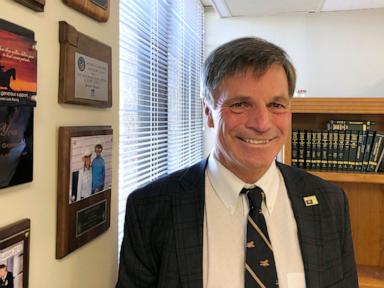
Wyoming Governor Kelly Marquardt has directed the state's attorney general to investigate conduct by two Department of Justice monitors who questioned poll workers during Wyoming's August 18 primary election.
The investigation centers on the activities of federal observers deployed under the Voting Rights Act to monitor polling locations for potential discrimination. The DOJ regularly assigns monitors to election sites across the country, particularly in jurisdictions with histories of voting rights violations. Wyoming's decision to investigate their conduct marks an escalation in tensions between state election officials and federal oversight.
Marquardt, a Republican, did not specify what actions by the monitors prompted concern, but the request reflects broader skepticism among some Republican-led states regarding federal election monitoring. The governor's office characterized the investigation as examining whether the DOJ officials operated within their legal authority while questioning poll workers.
Federal monitors have limited powers under the Voting Rights Act. They can observe voting processes, talk to election officials, and document potential violations, but they cannot manage polls or make decisions about voter eligibility. Their presence frequently generates friction with local election officials who view federal monitoring as intrusive or unnecessary.
This investigation in Wyoming aligns with a pattern of Republican resistance to federal election oversight. Some GOP officials have characterized DOJ monitors as partisan actors or argued that their presence creates confusion at polling locations. Democrats and voting rights advocates counter that federal monitors serve an essential role in protecting ballot access, particularly for minority voters.
Wyoming has not previously been a focal point of voting rights enforcement, and the state's primary did not generate widespread allegations of voting irregularities. The decision to open an investigation into DOJ monitors' conduct rather than actual voting problems suggests the dispute centers on process and authority rather than documented election misconduct.
The investigation's scope remains unclear. Wyoming's attorney general could examine whether the monitors exceeded their legal mandate, whether they contacted poll workers inappropriately, or whether their questions disrupted election operations. The probe may produce findings that either vindicate the monitors or support claims that they overstepped their authority.
This matter touches on unresolved questions about federal election authority. States retain primary responsibility for administering elections, while the federal government has authority to prevent voting discrimination. When these responsibilities overlap, disputes about jurisdiction and conduct can arise.
The outcome of Wyoming's investigation could influence how the DOJ conducts monitoring in future elections and whether other Republican-led states challenge federal election observers. If Wyoming's attorney general finds misconduct, it may embolden other governors to request similar probes. Conversely, a finding that monitors acted appropriately could discourage such challenges.
Governor Marquardt's administration has not announced a timeline for completing the investigation or indicated whether findings will be made public. The DOJ has not yet commented on the Wyoming investigation.