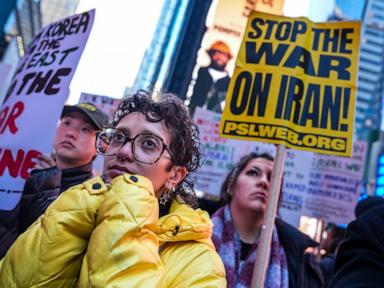
# Republicans Face Midterm Verdict as Iran War Extends Beyond Trump's Timelines
Republicans confront a mounting political liability in the 2024 midterm elections as military operations in Iran stretch far longer than former President Donald Trump promised voters during his campaign.
Trump repeatedly assured supporters that he would resolve conflicts in the Middle East swiftly. He campaigned on ending "forever wars" and pledged to withdraw American forces from prolonged entanglements abroad. Yet escalating tensions with Iran have produced the opposite outcome. Military operations have expanded rather than contracted, extending into a timeline that now threatens to dominate the midterm narrative.
The political damage compounds a fundamental tension within Republican strategy. The party positioned itself as the anti-war alternative to Democratic foreign policy, particularly after the Afghanistan withdrawal. Trump's "America First" doctrine centered on prioritizing domestic concerns over costly international military commitments. That messaging resonates with Republican voters fatigued by decades of Middle East deployments.
But military escalation undermines that core promise. Voters now face visible evidence that Republican leadership has not delivered on its central pledge to reduce American military footprint abroad. The longer operations continue, the more Trump's credibility takes a hit among his base and persuadable moderates alike.
The timing proves devastating for midterm candidates aligned with Trump. Republicans had hoped to ride inflation and economic concerns to reclaim the Senate and expand House control. Instead, they must now defend extended military action that contradicts their campaign messaging. Democratic candidates exploit the contradiction, linking Republican warmongering to broken promises.
Military families in key swing districts express particular concern. These voters backed Trump partly on his non-interventionist rhetoric. Extended Iran operations signal that rhetoric meant little. Mothers, fathers, and spouses of deployed service members hold senators and representatives accountable for decisions that keep their loved ones overseas longer than promised.
The White House faces pressure to either dramatically escalate the mission or declare victory and withdraw. Half-measures satisfy neither war opponents nor those backing a stronger military posture. But declaring victory risks looking hollow when operations clearly continue. Full escalation invites the anti-war backlash the administration sought to avoid.
Republican leadership splits on response. Hawks defend the military action as necessary to prevent Iranian nuclear advancement. Doves call for de-escalation and full withdrawal. Trump himself sends mixed signals, sometimes hawkish, sometimes questioning whether the commitment remains worthwhile. This internal division weakens Republican messaging heading into the final stretch before voters cast ballots.
Polling data shows independents and persuadable suburban voters growing concerned about the duration and rationale for continued operations. These groups swung narrow margins in 2020 and will determine most competitive midterm races. Military fatigue, combined with frustration over broken campaign promises, shapes their voting calculus.
Democratic candidates hammer the issue relentlessly. They portray Republicans as typical politicians who campaign as peace advocates but govern as interventionists. The contrast, however unfair some Republicans argue it to be, sticks with voters exhausted by military involvement.
The Iran situation demonstrates how external events can override carefully constructed campaign strategies. Republicans prepared to run primarily on economic grievances. Instead, they defend military decisions that undercut their core argument to voters: that they will finally end America's role as global policeman and focus resources on American priorities.