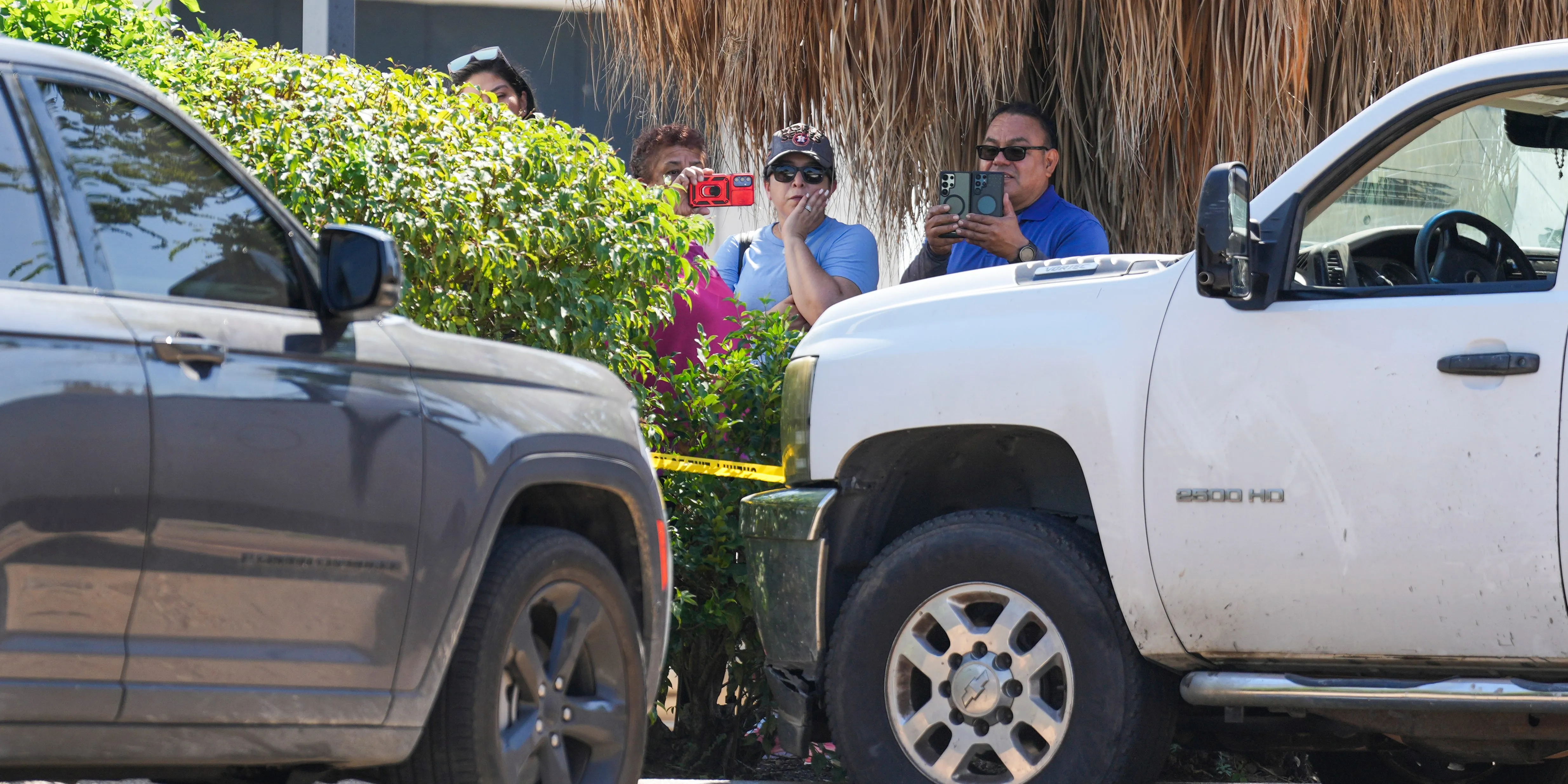
When an unmarked government vehicle struck Miguel Parra Hernandez in a parking lot last month, it wasn't an isolated incident—it was evidence of a systemic pattern that demands urgent action. The Harris County grand jury's decision to charge the ICE officer with assault with a deadly weapon recognized a troubling reality: federal agents are weaponizing vehicles against civilians with impunity. The Department of Homeland Security's own claim that Parra Hernandez ran in front of the car contradicts surveillance footage showing him fleeing away from the vehicle moments before impact. This disconnect between official narratives and documented evidence reveals an agency operating without adequate oversight.
The incidents documented by The Intercept paint a damning picture of escalating recklessness. Ricardo Gonzalez was struck by an ICE vehicle speeding the wrong way down a one-way street in Long Beach, then had a gun drawn on him. Antonio Moreida was hit by a black Chevy Tahoe in Woodland, California, and left on the ground as the driver accelerated away without stopping. Leo Martinez was rammed twice—once in October and again in March—by unmarked government vehicles while monitoring ICE activity, hospitalized both times, yet released without charge. These aren't accidents. They are what federal agents themselves call "offensive driving techniques," including ramming, brake-checking, and deliberately driving into civilians.
What makes this particularly egregious is the Department of Homeland Security's shameless double standard. When ICE claimed that community members Lorenzo Salgado Araujo and Renée Good weaponized their vehicles against federal agents—allegations that were never substantiated by criminal charges and contradicted by witness accounts and video analysis—the agency promoted this narrative widely. Yet when the evidence clearly shows ICE agents using vehicles as weapons, DHS responds with denial and deflection. The spokesperson claimed Gonzalez wasn't struck despite video proof, blamed Moreida for standing in the roadway, and offered generic training responses rather than addressing specific incidents.
The brake-checking tactic is particularly egregious because it's illegal in all 50 states under reckless driving and anti-road-rage statutes. VC Defensa volunteers in Ventura County maintain two to three car lengths of distance specifically because ICE agents brake-check so frequently. The body damage on unmarked vehicles has become so characteristic that community monitors can identify them by their appearance alone. This isn't law enforcement—it's harassment and intimidation masquerading as federal authority.
Congress must act immediately. Legislation must explicitly prohibit ICE and Customs and Border Protection from using vehicles as weapons, define "offensive driving techniques" in federal policy with clear prohibitions, and establish independent investigation mechanisms for incidents involving vehicle contact with civilians. The Trump administration's expansion of these tactics since taking office must be reversed through concrete restrictions, not vague training promises. Until federal agents face real consequences for weaponizing vehicles against civilians—immigrants and American activists alike—this violence will continue.