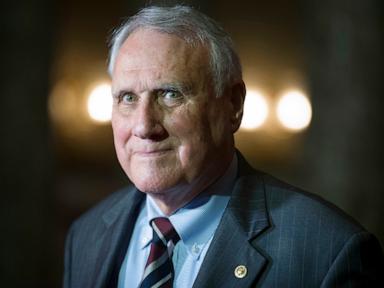
Jon Kyl, the Arizona Republican who spent nearly three decades in Congress shaping water policy and advocating for conservative causes, died at 84. His death removes from the political landscape a figure who bridged the state's early Tea Party movement with establishment Republican governance.
Kyl served in the House of Representatives from 1987 to 1995, then in the Senate from 1995 to 2013. He later returned for a brief Senate stint in 2018 to fill the vacancy left by John McCain's death, serving until 2019. His career spanned some of the most contentious periods in Arizona politics and national Republican strategy.
Known among colleagues as a "workhorse," Kyl built his reputation on mastering policy details rather than seeking headlines. He sat on committees addressing defense, judiciary, and appropriations issues. But his deepest mark came through water policy. As Arizona grappled with managing the Colorado River and navigating the state's relationship with the federal government, Kyl became the principal architect of water agreements that shaped the Southwest's future. His influence extended to negotiating interstate compacts and protecting Arizona's water rights during periods of intense Western drought.
Kyl represented Arizona during the rise of the conservative movement that would eventually reshape the Republican Party. He opposed gun control measures, supported military spending, and advocated for strong law enforcement policies. He aligned with the more libertarian wing of Republicans on certain economic issues while taking hardline stances on immigration and border security, positions that resonated with Arizona voters during the 1990s and 2000s.
His return to the Senate in 2018, even briefly, reflected the respect he commanded across party lines. Democrats and Republicans alike called upon him to fill McCain's seat during a period when the body needed experienced legislators. Though his tenure lasted only seven months before a special election, his presence signaled continuity during a transition period for Arizona's Senate delegation.
Kyl's legacy extends beyond legislation. He mentored younger Republican operatives and helped shape Arizona's Republican establishment during the state's transformation from a politically moderate enclave to a more ideologically divided battleground. His work on water policy remains the foundation for how Arizona manages its most precious resource, with agreements he helped negotiate still governing water distribution today.
His death comes as Arizona politics continues to evolve. The state has become a competitive swing state in presidential elections, with its Republican Party undergoing shifts that differ from the establishment conservatism Kyl represented. Yet his water policy work remains politically relevant, as the Colorado River basin faces historic water shortages demanding the kind of interstate negotiation that defined much of his career.