# Supreme Court Rejects Trump's Mail Ballot Restrictions Ahead of Midterms
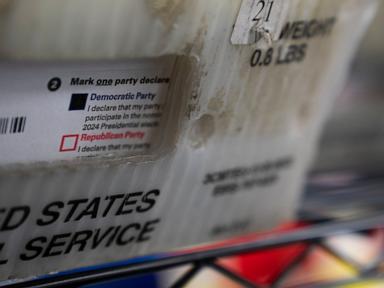
The U.S. Supreme Court has blocked President Donald Trump's effort to restrict mail voting through new Postal Service regulations ahead of the 2022 midterm elections. The rejection removes a potential barrier to the mail ballot process that had threatened to disrupt voting access for millions of Americans.
Trump's legal team sought to impose stricter standards on how the U.S. Postal Service handles mail-in ballots, arguing that new regulations were necessary to ensure election integrity. The administration had pushed for changes that would have affected mail ballot processing and delivery timelines. Election administration experts and voting rights advocates had warned that such restrictions could have resulted in delayed ballots, spoiled votes, and confusion at polling places during the critical midterm cycle.
The Supreme Court's decision to reject the challenge represents a straightforward rebuke of the Trump administration's mail voting restrictions. The court did not issue a lengthy written opinion explaining its reasoning, indicating the justices found the case lacked sufficient legal merit to warrant extended analysis. This procedural rejection carries particular weight because it demonstrates the court's view that the administration's rationale for the restrictions did not meet constitutional or statutory standards.
The midterm elections scheduled for November 2022 represented one of the highest-stakes electoral contests since the 2020 presidential race. With control of both chambers of Congress on the ballot, election administration became a focal point for political debate. Republican arguments about mail ballot security collided directly with Democratic concerns about voter suppression and election access. Trump's Postal Service proposal fell squarely into this partisan divide, with Republicans framing it as an election integrity measure and Democrats characterizing it as an attempt to suppress votes.
Mail voting had expanded dramatically during the COVID-19 pandemic, with millions of voters relying on absentee ballots. The surge in mail voting prompted heated debate about ballot security and fraud risk. While election officials and security experts across both parties noted that mail voting fraud remained exceedingly rare, Trump and his allies continued to question the integrity of mail ballot systems. His Postal Service intervention represented one of the more direct attempts to structurally limit mail voting access.
The Supreme Court's rejection clears the path for normal mail ballot operations throughout the midterm cycle. Election officials in all 50 states can proceed with their existing mail voting processes without navigating new federal regulations. This stability matters because mail ballot deadlines and procedures require careful coordination between election offices and postal authorities. Last-minute regulatory changes would have created operational chaos and legal confusion at county election offices nationwide.
The decision also signals that the current Supreme Court, despite its conservative majority, was unwilling to embrace Trump's most aggressive election restrictions. While the court had previously rejected challenges to the 2020 election results and voting law changes, this case offered another test of judicial willingness to defer to the executive branch on election administration matters.
As voters prepare for the midterms, mail ballot systems will operate under existing state and federal frameworks rather than new Trump administration regulations. Election officials can focus on processing expected high volumes of absentee ballots without accommodating novel Postal Service rules mid-election.