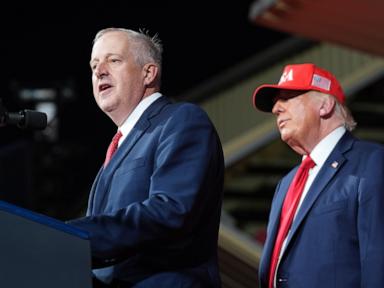
Donald Trump campaigned on a promise to deliver $5,000 "dividend" payments to every American adult if Republicans won control of Congress during the midterm elections. The pledge emerged as a centerpiece of Trump's pitch to voters, framed as a direct benefit from Republican governance and fiscal policy.
However, the pledge has not gained traction among Republican candidates running for House and Senate seats. Most GOP contenders have largely avoided promoting or emphasizing Trump's $5,000 payment promise on the campaign trail. Instead, they have focused on different messaging priorities, including inflation, crime, and border security concerns that polling suggests resonate more directly with swing voters in their individual races.
The disconnect reveals a strategic tension within the Republican Party. Trump, positioning himself as the party's dominant voice ahead of potential 2024 presidential ambitions, invested political capital in the dividend promise as a populist appeal that would benefit working-class and middle-class Americans directly. The proposal targeted economic anxiety and offered a tangible reward for Republican electoral success.
Yet Republican congressional candidates have calculated that the promise carries risks. The $5,000 dividend raises immediate questions about funding and implementation that opponents can exploit. Democrats could attack the proposal as fiscally irresponsible or unachievable. Local and statewide races often hinge on bread-and-butter issues specific to each district or state rather than national economic promises from party leadership.
Additionally, congressional Republicans may worry that tying their campaigns too closely to Trump's specific promises creates vulnerability if those pledges prove difficult or impossible to fulfill after an election. Campaigns typically prefer to control their own messaging rather than depend on national-level talking points, particularly when those talking points come from a polarizing figure like Trump.
The midterm elections provided a test of Trump's broader influence over the Republican Party apparatus. While Trump endorsed numerous candidates and remained the most recognizable Republican voice, the mixed embrace of his $5,000 dividend proposal suggests that candidates pursue their own strategic priorities independent of Trump's national messaging.
The split also reflects broader party dynamics. Trump commands loyalty among his base supporters but faces skepticism from suburban and independent voters who typically decide close races. Congressional candidates often compete in districts or states with different demographic compositions than Trump's core coalition, requiring distinct campaign approaches.
Whether Trump's dividend pledge reaches voters depends largely on how much Trump himself continues pushing the proposal through speeches, rallies, and social media. If the issue fades from Trump's messaging, congressional Republicans can allow it to recede without explicitly rejecting it. The dynamic illustrates how national party leaders and candidates operate on separate political tracks, even when nominally aligned on party affiliation.