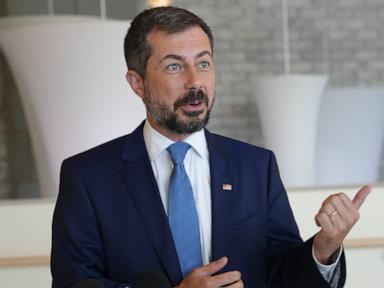
Pete Buttigieg returned to South Carolina this weekend, signaling serious consideration of another presidential campaign after his 2020 bid ended before Iowa. The former South Bend mayor and current U.S. Transportation Secretary visited the early primary state as Democrats begin calculating their 2028 political landscape following President Joe Biden's decision to withdraw from the race and endorse Vice President Kamala Harris.
Buttigieg's return to South Carolina holds strategic weight. The state serves as a firewall for Democratic frontrunners, historically delivering decisive margins that shape the trajectory of nominating contests. His 2020 campaign gained momentum early but faltered when Black voters in South Carolina overwhelmingly favored Joe Biden, ultimately propelling Biden toward the nomination. Any credible 2028 bid requires demonstrating viability in a state where his previous campaign struggled.
The Transportation Secretary has spent his tenure building a national profile and burnishing credentials in infrastructure policy. His role in implementing the Biden administration's infrastructure legislation and managing high-profile transportation issues has kept him in the national conversation. Unlike some Democratic figures, Buttigieg has avoided the factional battles consuming the party post-2024, positioning himself as a pragmatist focused on governing rather than ideology.
Multiple Democratic figures are positioning for potential 2028 campaigns. Harris, as the presumed frontrunner, faces pressure to consolidate support. Governors like Josh Shapiro of Pennsylvania and Gretchen Whitmer of Michigan have emerged as potential alternatives. Senators including Mark Warner and others are also exploring opportunities. Buttigieg's South Carolina visit places him squarely in this emerging field of candidates.
The timing matters. With Harris as the likely nominee for 2024, the Democratic Party enters transition mode earlier than anticipated. Potential 2028 candidates are networking and building relationships in early primary states now, before the full intensity of campaign season begins. Buttigieg's visit suggests he views the opening as genuine and his path as viable.
South Carolina Democrats remain pivotal kingmakers in any Democratic primary. The state's Black voters comprise roughly 60 percent of the Democratic primary electorate, making racial equity and criminal justice issues central to any campaign's appeal. Buttigieg's previous weakness in these areas represents an unresolved challenge. His work on transportation and infrastructure, while substantive, may not directly address the concerns that shaped Black voters' preferences in 2020.
Buttigieg's youth relative to Biden remains an asset in any 2028 scenario. At 42, he would be younger than most potential Democratic competitors. His articulate communication style and military service background provide distinctive positioning. However, he enters a field where governors have stronger executive records and established state bases.
The South Carolina trip signals Buttigieg is moving from consideration to active exploration. Weekend visits to early primary states represent standard pre-campaign positioning. His next moves, including fundraising discussions and staff conversations, will reveal the seriousness of his intentions. For a candidate who fell short in 2020, another presidential run offers the opportunity to prove that early setbacks do not preclude eventual success.