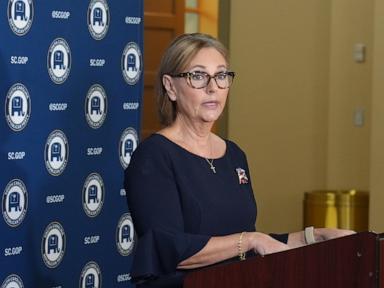
# National Security Stumble Marks Graham's Debate Performance in South Carolina Runoff
Senator Darline Graham faced an uncomfortable moment during Tuesday night's debate in South Carolina's runoff election when a foreign policy question derailed her responses and exposed gaps in her articulation of national security positions.
The exchange centered on international affairs, an area where candidates typically prepare extensively ahead of televised debates. Graham's struggle to provide a coherent answer on the topic signals potential vulnerability heading into the final stretch of what has become a closely watched Senate race.
South Carolina's runoff election has drawn national attention as Republicans and Democrats battle for control of the chamber. Graham's performance matters because Senate seats remain limited in number, and each contest can shift the balance of power in Washington. A stumble on national security questions gives her opponent ammunition while raising questions about her preparedness for one of the Senate's most demanding roles.
The senator's difficulty articulating foreign policy positions contrasts sharply with the expectations placed on members of Congress who serve on national security committees or hold leadership positions. Voters consistently rank national security and foreign policy among their top concerns, and candidates who falter on these questions often face sustained criticism from opponents and media scrutiny.
Graham's debate performance follows weeks of campaigning focused on economic issues, inflation, and healthcare costs. These kitchen-table issues typically dominate Senate races, but national security questions remain part of the standard debate format. Her inability to navigate this particular question fluently suggests either insufficient debate preparation or difficulty translating her policy positions into digestible soundbites for voters.
The runoff election format itself creates particular pressure. In a two-candidate race with no crowded primary field to dilute attention, each debate appearance becomes do-or-die television. Voters watching the debate may use moments like Graham's stumble to assess competence and readiness for office, particularly on matters of war, diplomacy, and national defense.
Graham's opponent will likely seize on the debate moment in subsequent campaign advertising and messaging. Opposition research teams already monitor debate footage for usable clips that highlight weaknesses. A national security stumble becomes especially damaging because it touches on voter anxiety about America's role abroad and threats facing the nation.
The timing of the debate matters as well. South Carolina runoffs often feature lower turnout than primary elections, meaning the voters who do show up tend to be more engaged and more likely to have watched the debate. These are precisely the voters most attuned to candidate competence on security matters.
Graham's camp will need to clarify her national security stance in subsequent appearances and campaign materials. Her team may argue the question was poorly framed or that debate format constraints prevented a fuller explanation of her positions. However, the initial impression has been recorded and distributed across multiple platforms, reaching voters who may not hear the candidate's explanation.
The South Carolina runoff now enters a critical phase where debate performance carries outsized weight. Graham must rebuild confidence in her readiness to handle national security matters while maintaining focus on economic messaging that resonates with working families.