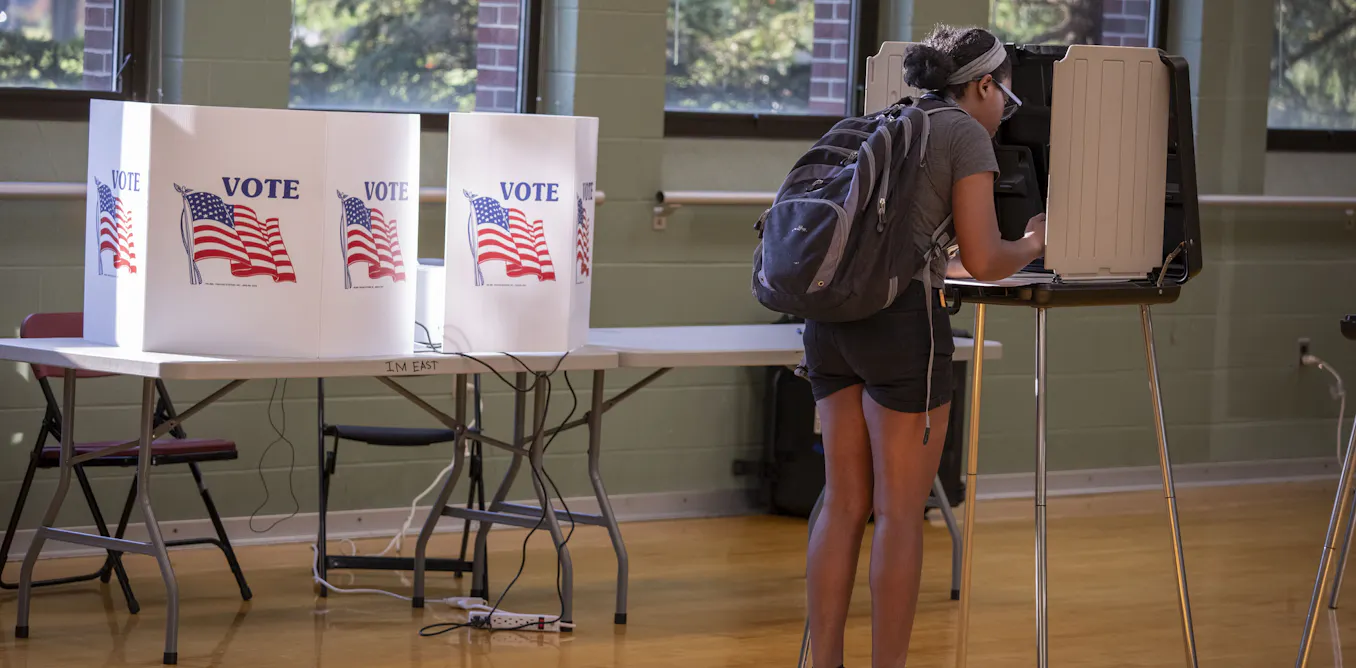
Michigan's local election officials express strong confidence in the state's voting systems and election security ahead of November's midterm elections, according to a survey of administrators responsible for administering ballots across the state.
The survey reveals a nuanced picture. While nearly all election officials report confidence in voting integrity and their ability to conduct fair elections, cost concerns create a significant undercurrent of anxiety. Almost 50 percent of surveyed officials worry about funding constraints that could affect their operations.
The confidence in voting integrity reflects years of work by Michigan election officials to strengthen security measures and address vulnerabilities. Officials cite improved ballot tracking systems, upgraded voter verification procedures, and enhanced poll worker training as factors bolstering their confidence.
However, the funding gap presents a real operational challenge. Election administration requires sustained investment in equipment maintenance, staff salaries, and technology upgrades. Officials expressed worry that budget limitations could force difficult choices between security enhancements and essential services.
The survey captures election officials in their dual role. They must maintain public confidence in elections while managing limited resources. Michigan election officials have faced intense scrutiny in recent election cycles, particularly following the 2020 presidential election when some falsely questioned the integrity of the state's results.
The cost concerns align with national trends. Election officials across the country have reported budget pressures that complicate their work securing elections and maintaining voter access. Federal funding has provided some relief, but officials worry about what happens when temporary assistance ends.
For the November midterms, Michigan election officials remain focused on executing secure elections despite financial constraints. The survey results suggest they have the confidence and expertise to do so, yet they need sustained funding to maintain the systems that underpin that confidence.