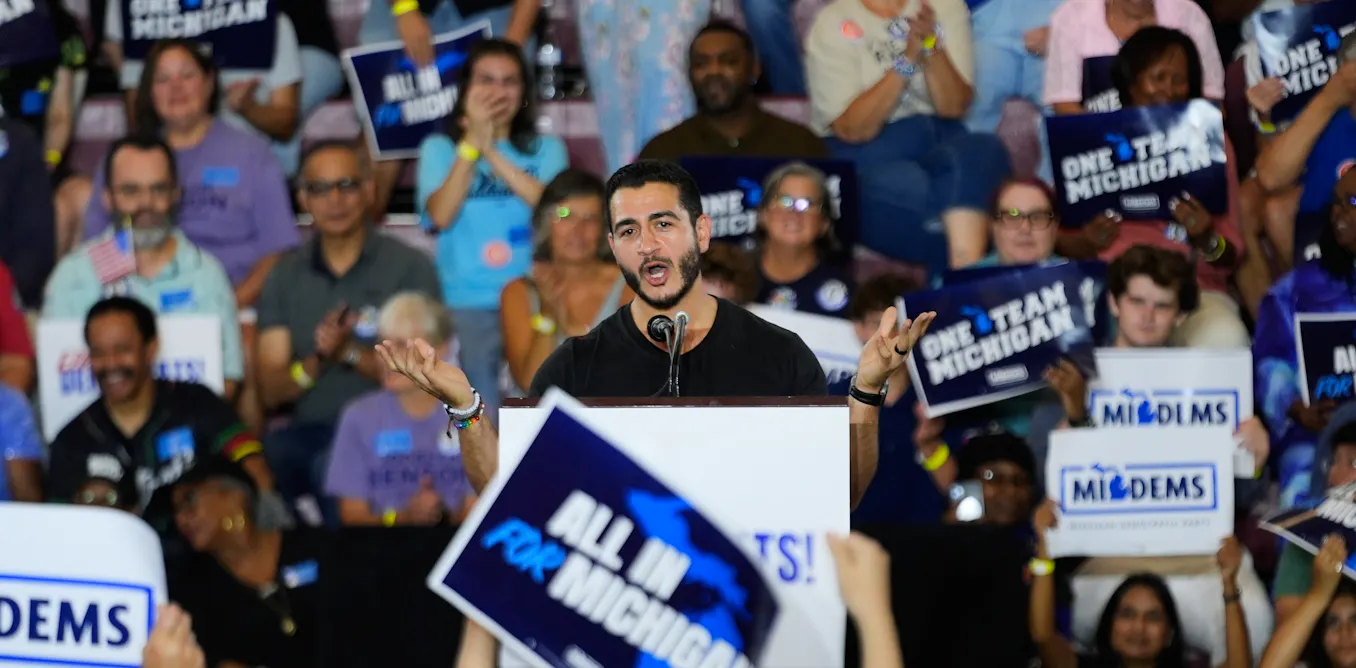
Abdul El-Sayed, a progressive Democrat and former Michigan health director, secured the Democratic nomination for U.S. Senate after a combative primary battle. He will face Republican Mike Rogers in November's general election.
El-Sayed's path to the nomination reflected deep divisions within Michigan's Democratic Party. His campaign emphasized progressive priorities including healthcare expansion and corporate accountability. Opponents within the party questioned his experience and electability, a tension that defined the primary race.
The Democratic primary proved contentious. El-Sayed faced criticism from moderate Democrats who worried his progressive platform would alienate swing voters in a state where Senate control remains contested. Despite this internal resistance, he prevailed with backing from the party's left wing.
Mike Rogers, the Republican nominee, represents a significant general election challenge. Rogers brings established political credentials and name recognition in Michigan. His campaign will likely emphasize concerns about El-Sayed's progressive positions on taxes, regulation, and government spending.
Michigan's Senate race holds national implications. The seat represents a competitive battleground in a state that swings between parties in presidential elections. Control of the U.S. Senate hangs partly on outcomes in exactly these types of races.
El-Sayed now faces intensified attacks from the Republican side. Rogers' campaign will target El-Sayed's inexperience in electoral politics and frame progressive policies as economically harmful. Democrats will need to defend their nominee while turning attention to Rogers' record and positions.
The general election campaign will test whether Michigan voters embrace progressive economics or prefer Rogers' more conservative approach. El-Sayed's ability to unify the fractured Democratic primary while expanding appeal beyond the party's base will determine the race's outcome.