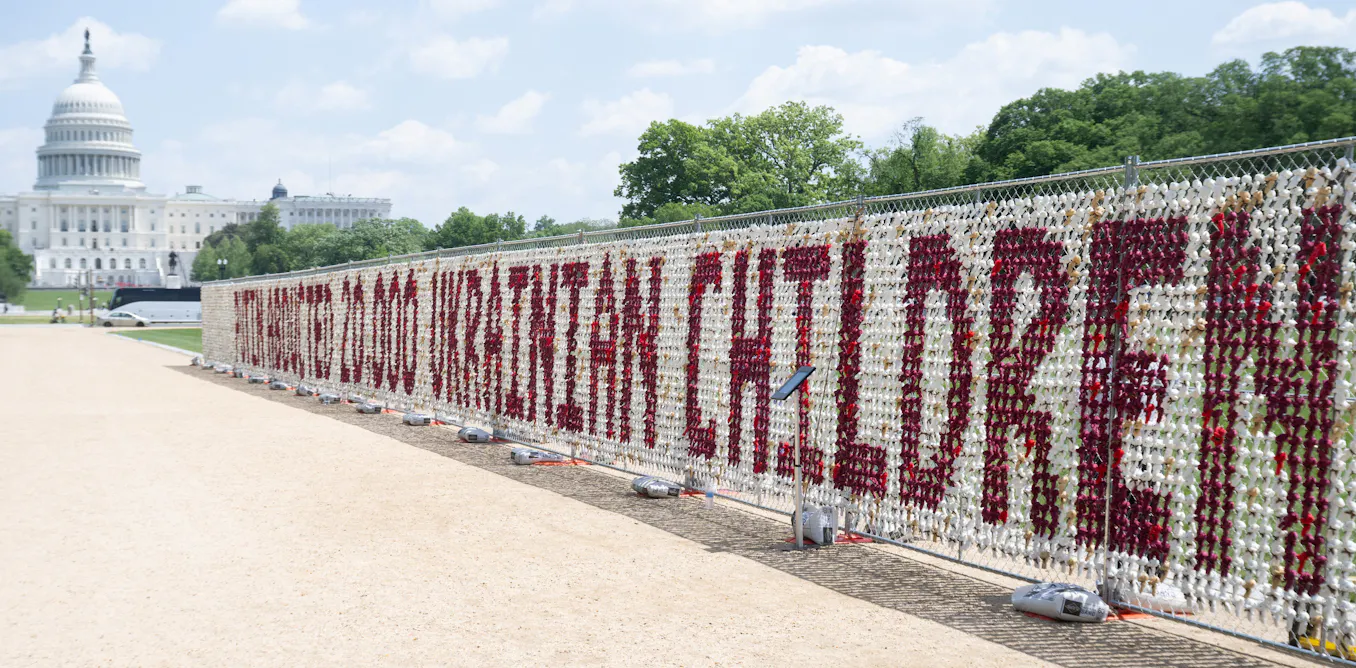
Russia has systematically removed Ukrainian children from occupied territories and subjected them to reeducation programs designed to erase their Ukrainian identity and impose Russian citizenship and culture. This campaign involves forced transfers to camps, coercive assimilation into Russian schools, and documentation changes that strip children of their original nationality.
The United States has committed $25 million to locate and rehabilitate these forcibly transferred children, addressing what international legal experts classify as a war crime. The funding supports efforts to identify displaced youth, provide psychological counseling, and facilitate returns to Ukrainian territory where possible.
Ukrainian officials and human rights organizations document thousands of children affected by these operations. Russia relocated an estimated 700,000 to 1.6 million Ukrainian citizens, with children comprising a substantial portion. The transfers concentrate particularly in southern and eastern Ukraine, regions under Russian military control.
The reeducation component operates through Russian-controlled schools that teach Russian history, language, and patriotic narratives while suppressing Ukrainian cultural education. Children receive new documentation listing them as Russian citizens. Some facilities function as military training camps, introducing child soldiers into Russian armed forces operations.
International humanitarian organizations characterize these practices as violating the Geneva Conventions and protocols protecting children in armed conflict. The transfers constitute forced displacement and cultural genocide under international law. The International Criminal Court examines testimony from survivors and families separated by these operations.
The $25 million American initiative faces logistical challenges. Many transferred children remain in Russian territory or remote facilities, complicating identification and rescue. Psychological rehabilitation proves complex for youth subjected to months or years of indoctrination. Family reunification requires tracing displaced relatives across war-affected regions.
Ukrainian authorities work with international partners to document cases and track child locations. Recovery efforts prioritize younger children, whose identities remain more malleable. Older teenagers with extended reeducation exposure face longer rehabilitation periods.
The scale of displacement suggests