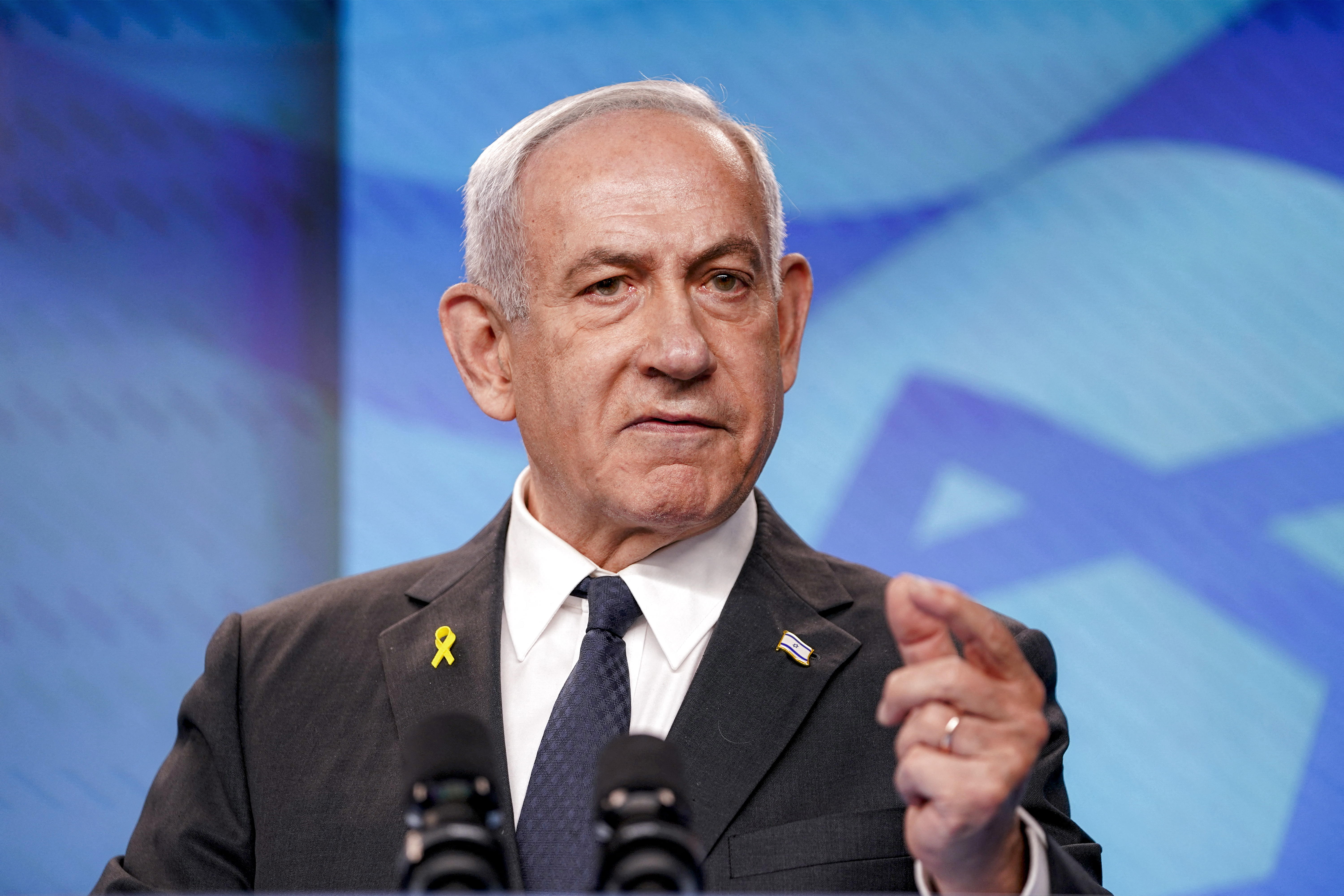
Prime Minister Benjamin Netanyahu employed a consistent rhetorical strategy to justify Israeli military campaigns: characterizing adversaries as irrational and unstable. This framing allowed him to present Israeli actions as defensive responses to inherently dangerous enemies incapable of negotiation.
Now, critics argue, the same warning signs Netanyahu used to describe hostile regimes apply to Israel itself under his leadership. The article, published by The Intercept, suggests Netanyahu's government has adopted increasingly extreme positions that once would have been dismissed as fringe extremism.
The piece documents how Netanyahu's rhetoric normalized hardline positions within Israeli politics. What began as describing Palestinian and Iranian leadership as fundamentally irrational evolved into mainstream Israeli policy discourse. The argument traces how this characterization of adversaries as "crazy" eliminated the possibility of diplomatic solutions by definition, since negotiations require rational actors.
The Intercept's analysis positions Netanyahu's political trajectory as moving Israel toward the very instability and unpredictability his government previously attributed solely to enemies. The prime minister's consolidation of power, his coalition's rightward shift, and controversial policies toward Palestinians represent, according to this view, the manifestation of those same destabilizing forces within Israeli governance.
This represents a significant critique from a prominent left-leaning outlet. The framing inverts Netanyahu's traditional argument structure: rather than Israel representing stability against chaos, the analysis suggests Israel under Netanyahu has become the unpredictable actor.
The political context matters. Netanyahu faces ongoing corruption charges and domestic opposition. His coalition depends on far-right parties with maximalist positions on Palestinian territories. International criticism of Israeli military operations in Gaza has intensified. This article positions the prime minister's long-standing rhetorical patterns as now describing Israel itself.
The piece challenges a fundamental assumption of Netanyahu's political messaging for decades. Whether this critique gains traction in mainstream discourse or remains confined to progressive outlets will shape how international observers assess Israeli governance