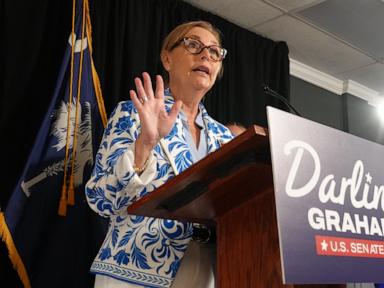
US Rep. Russell Fry has endorsed Sen. Darline Graham in the Republican Senate primary runoff in South Carolina, backing one of two remaining candidates competing for the party's nomination in a race that will determine who faces the general election opponent.
Fry's endorsement carries weight within South Carolina's Republican establishment. As a sitting congressman representing the state's 3rd Congressional District, his public backing signals organizational and grassroots support for Graham among the district's conservative voters. The endorsement comes as the runoff campaign enters its final stretch, with both candidates working to consolidate party support ahead of the voting deadline.
Graham has faced competition throughout the primary process. The emergence of a runoff format indicates that no candidate secured the 50 percent threshold required to win outright in the initial primary election. This two-candidate format forces party voters to make a definitive choice between the remaining contenders, typically resulting in higher stakes and more intensive campaigning in the final weeks.
Fry's decision to publicly endorse Graham reflects calculations about electability and alignment on key conservative priorities. South Carolina Republicans remain focused on candidates who can appeal to the party's base while proving competitive in a general election context. The runoff will likely hinge on voter turnout, endorsement momentum, and how each camp mobilizes its core supporters.
The South Carolina Republican Senate seat holds consequences beyond the state. Senate races in purple and competitive states directly shape the chamber's partisan balance. Control of the Senate determines which party sets the legislative agenda, confirms federal judges and cabinet officials, and controls committee assignments. South Carolina remains a Republican stronghold, but the primary process reveals internal party dynamics and competing visions within conservatism.
Graham's campaign has emphasized certain policy platforms and constituent service records. The endorsement from Fry provides a concrete organizing tool for campaign staff and volunteers, offering credibility within the Republican network of officeholders and donors who look to established party figures for guidance.
Other state and national Republicans may follow Fry's lead or pursue alternative endorsement strategies. These public declarations often trigger cascade effects in primary races, as donors, volunteers, and undecided voters respond to signals from trusted political figures. Endorsements become particularly valuable in runoff elections where the field has narrowed and the remaining candidates appeal to overlapping portions of the Republican electorate.
The runoff structure itself demonstrates how South Carolina's nomination rules work. Unlike winner-take-all primaries used in other states, the threshold requirement creates a second voting opportunity when no candidate reaches 50 percent. This format has shaped candidate strategies throughout the campaign and will continue influencing how resources are deployed in the final phase.
Fry's endorsement announcement reached voters through press releases, local news coverage, and social media distribution. These networks amplify establishment backing and help define the narrative heading into final voting. The congressman's support suggests Graham has secured backing from a portion of the state's Republican infrastructure, though the endorsement's impact on actual voting behavior remains to be determined when polls close.