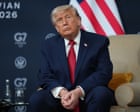
Donald Trump has signed a 14-point agreement with Iran, shifting his foreign policy focus toward resolving the Ukraine conflict. The deal represents Trump's attempt to stabilize the Middle East after years of tension he helped escalate during his first term.
With Iran negotiations reportedly settled, Trump is now directing resources and diplomatic attention to Ukraine. The move signals a recalibration of his administration's global priorities, though analysts question whether success in one region translates to breakthroughs elsewhere.
Andrew Roth of The Guardian examines the practical obstacles to this strategy. A Ukraine peace deal requires coordination with Russia, European allies, and Ukrainian leadership. Each party holds competing objectives. Russia seeks territorial concessions and security guarantees. Ukraine demands sovereignty and territorial integrity. NATO allies worry about abandoning support too quickly.
Trump's pivot reveals a transactional approach to foreign policy. He frames diplomatic achievements as discrete projects with clear endpoints. The Iran agreement signals completion of one task. Ukraine represents the next objective.
The timing raises questions about implementation. Sustainable peace in Ukraine demands sustained commitment, not cyclical attention. Previous ceasefires collapsed when enforcement mechanisms weakened. Trump's historical tendency to abandon initiatives once initial deals conclude creates uncertainty about long-term stability.
Middle East observers note the Iran agreement does not automatically end regional conflict. Proxy wars, sanctions enforcement, and domestic politics within Iran complicate any settlement. Declaring work finished does not eliminate underlying tensions.
The shift to Ukraine also reflects domestic political considerations. Trump faces pressure from Republican lawmakers who support robust Ukraine aid and from those favoring rapid negotiations. A peace agreement would allow Trump to claim a foreign policy victory while potentially reducing U.S. military commitments abroad.
Success depends on whether Trump maintains engagement once initial agreements appear complete. His pattern suggests difficulty sustaining diplomatic pressure through difficult implementation phases. If history repeats, Ukraine faces a leadership that prioritizes deal closure over deal durability