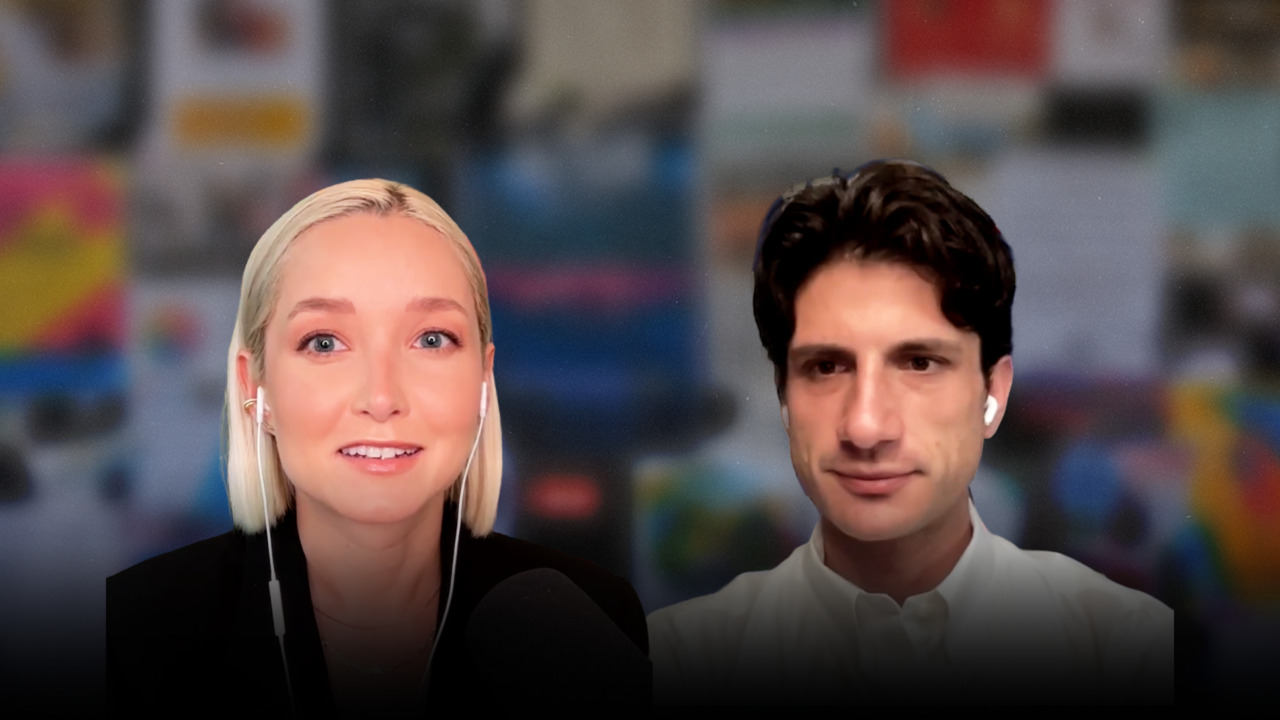
# Jack Schlossberg on Trump, RFK Jr. and the future of the Democratic Party
Jack Schlossberg, the 31-year-old member of the Kennedy family and vocal Democratic critic, has emerged as a prominent voice challenging the party's direction following recent electoral setbacks. In a recent interview, Schlossberg addressed growing internal tensions within the Democratic Party, particularly concerning how to respond to Republican gains and shifting political dynamics.
Schlossberg has become known for his direct critiques of Democratic leadership and strategy. His comments reflect broader concerns among younger Democratic voices about party messaging and its ability to connect with working-class voters. The Kennedy family member represents a demographic segment the party has struggled to mobilize effectively in recent cycles.
The discussion touches on Robert F. Kennedy Jr., who abandoned the Democratic primary to run as an independent before eventually endorsing Republican Donald Trump. Kennedy's defection highlighted fractures within the party's coalition and raised questions about the Democrats' capacity to retain prominent figures and their supporters. Schlossberg's perspective on this development sheds light on internal Democratic calculations about authenticity, messaging, and electoral viability.
As the Democratic Party navigates its identity following Trump's return to the White House, figures like Schlossberg represent a generational challenge to the party establishment. His willingness to critique Democratic leaders publicly signals frustration among some Democrats about the party's strategic direction and its messaging discipline.
The broader context involves the Democratic Party's struggle to rebuild after electoral losses, develop a coherent response to Republican governance, and prevent further defections of prominent party members. Schlossberg's voice carries particular weight given his family's Democratic legacy and his social media presence, which amplifies his influence among younger voters.
The conversation reflects ongoing debates within Democratic circles about whether the party should move further left on certain issues, adopt more centrist positioning on economics and cultural matters, or rebuild its messaging around popul