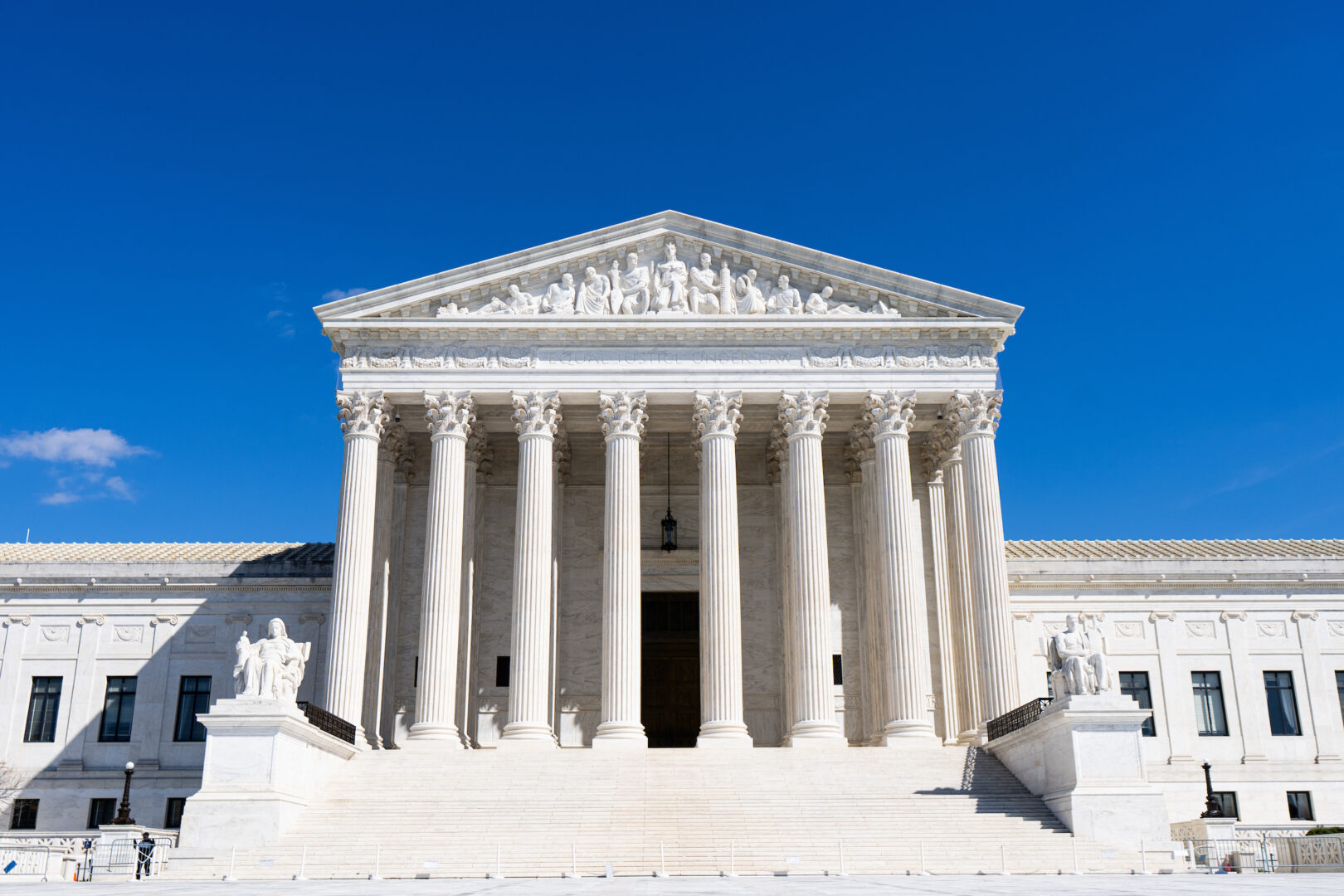
The Supreme Court ruled unanimously Thursday that federal prosecutors cannot automatically bar gun ownership for all illegal drug users under current law. The decision stemmed from the case of Ali, a man charged after police discovered a firearm in his home while he admitted to using marijuana approximately every other day.
The justices determined that the blanket prohibition on gun possession for drug users lacks sufficient constitutional grounding. The ruling narrows the scope of a longstanding federal statute that had criminalized firearm ownership across the entire category of illegal drug users without distinction regarding the severity of drug use or type of substance involved.
This unanimous decision signals the Court's view that blanket categorical bans on constitutional rights require stronger legal justification. The justices rejected the government's argument that all illicit drug use provides adequate basis for stripping Second Amendment protections, finding the law's one-size-fits-all approach constitutionally problematic.
The ruling has immediate implications for federal firearms prosecutions. Prosecutors now face a narrower pathway to convict drug users under this particular statute. The decision does not legalize drug use or establish a right to possess guns while using drugs. Rather, it requires prosecutors to demonstrate specific circumstances or factors that justify removing gun rights in individual cases rather than relying on categorical drug-user status alone.
The case reflects the Court's recent trajectory on Second Amendment jurisprudence following its landmark 2022 decision in New York State Rifle and Pistol Association v. Bruen, which established stricter scrutiny for gun regulations. That decision required laws restricting firearms to align with historical tradition and practice.
Lower courts must now reconsider how federal law applies to drug users seeking firearm ownership. Congress retains authority to craft new legislation addressing gun possession by drug users with more tailored restrictions that satisfy constitutional review. The ruling does not prevent states or federal authorities from maintaining other restrictions on firearm access based on substance abuse or addiction