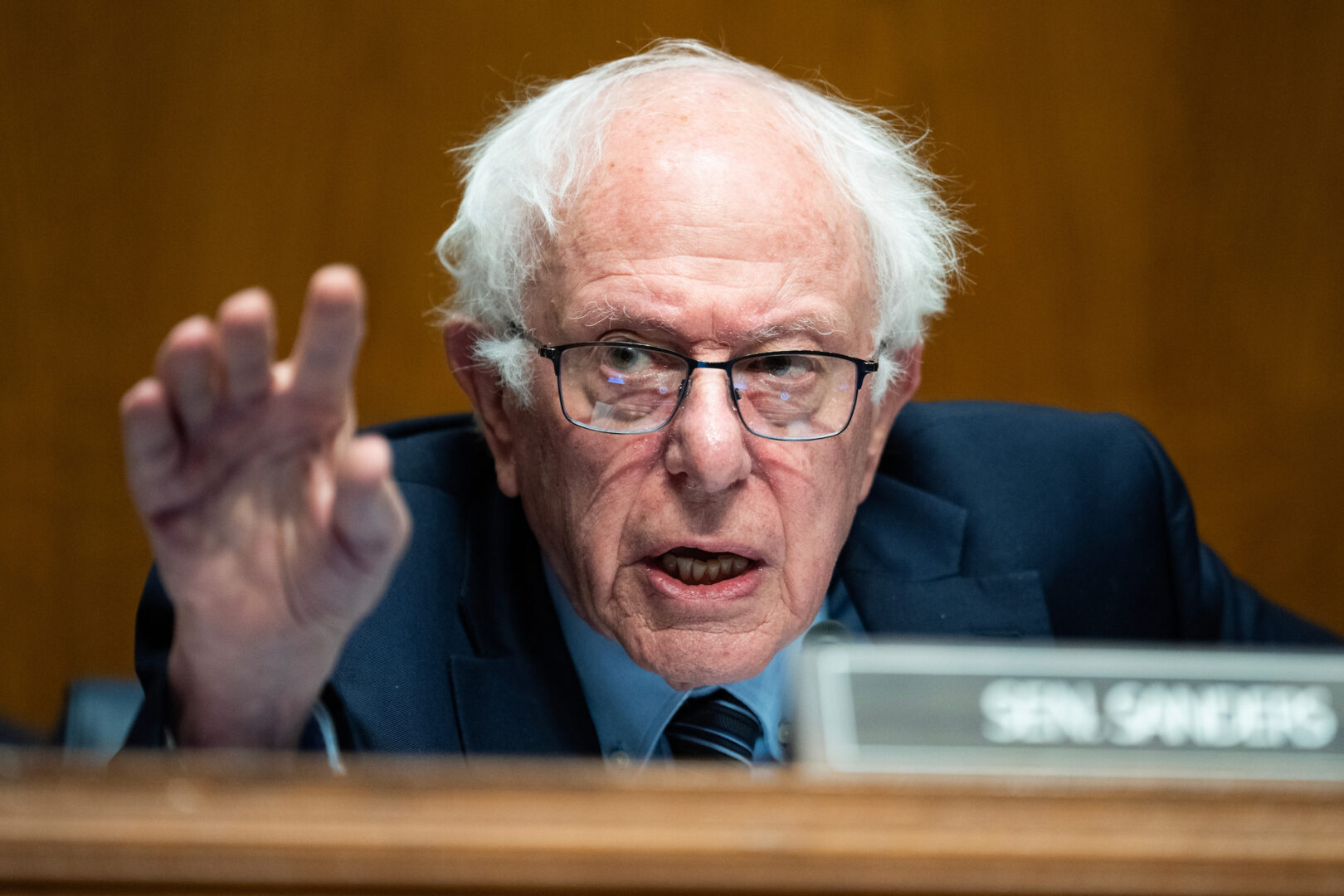
Senator Bernie Sanders released legislation Thursday that would impose a one-time 50 percent tax on artificial intelligence companies with annual sales exceeding $200 million, with proceeds flowing into a federal sovereign wealth fund. The Vermont independent's proposal represents an aggressive attempt to capture wealth from the AI industry boom for public benefit.
The bill establishes a new federal mechanism to take equity stakes in leading AI firms through a one-time capital gains tax. Sanders frames the measure as necessary wealth redistribution given concentrated AI gains among a small number of technology companies and their shareholders. The legislation reflects growing progressive frustration with AI sector profitability concentrated among Silicon Valley giants like OpenAI, Google DeepMind, and Meta.
The sovereign wealth fund concept borrowed from nations like Norway, which invests oil revenues for long-term public returns. Sanders proposes similar treatment for AI wealth, arguing tech breakthroughs built partially on government-funded research deserve public ownership stakes.
The proposal faces substantial political obstacles. Republicans oppose the tax rate and government equity acquisition. Moderate Democrats may hesitate to endorse such aggressive corporate taxation fearing business relocations or reduced innovation incentives. Tech industry groups have already signaled opposition, arguing the measure threatens American competitiveness against Chinese AI development.
The bill's technical details reveal Sanders attempting to avoid constitutional takings concerns by framing the provision as a capital gains tax rather than direct seizure. Still, legal challenges appear likely given the precedent-setting nature of mandatory equity transfers.
The timing reflects intensifying debate over AI regulation heading into 2024. While Sanders pushes wealth redistribution through taxation, other lawmakers pursue different approaches including antitrust enforcement, safety guardrails, and export controls. The Sanders bill signals the left wing of Democratic politics views AI concentration as requiring dramatic intervention.
The measure has negligible chance of passage in the current Congress but establishes markers for future Democratic platforms should the party gain unified control