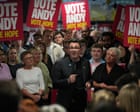
Labour's massive campaign mobilisation in Makerfield for Thursday's byelection has created an unusual problem. Party organisers fear that deploying up to 3,000 activists, including cabinet ministers and MPs, may actually alienate voters rather than persuade them.
The scale of the operation reflects Labour's determination to hold the seat for Andy Burnham. Local hotels are already fully booked with incoming campaigners. Party strategists have developed tactics to manage the volunteer surge without overwhelming residents.
Campaign organisers plan to station activists at polling stations and bus stops rather than concentrate them on residential doorsteps, where the sheer density of canvassers could prove counterproductive. The party intends to focus leafleting efforts on school gates and transit points to spread out contact with voters across multiple settings.
This logistical challenge reveals both Labour's organisational strength and a genuine anxiety about grassroots campaign effectiveness. Too many canvassers in a small constituency creates friction. Voters encounter repeated pitches from different campaigners, fatigue sets in, and the constant presence of party workers can feel intrusive rather than engaging.
The Makerfield byelection carries stakes beyond the immediate contest. It tests Labour's ability to retain parliamentary seats in its traditional heartland while also serving as a dress rehearsal for broader election strategy. The party's leadership views robust volunteer mobilisation as essential to electoral success, yet this scale of deployment exposes the tension between enthusiasm and execution.
Andy Burnham, the current Greater Manchester mayor and former health secretary, represents Labour's establishment wing. His candidacy aims to project competence and continuity. The massive activist presence underscores party commitment to the seat, though the organisers' own concerns suggest they understand that overkill campaigning produces diminishing returns.