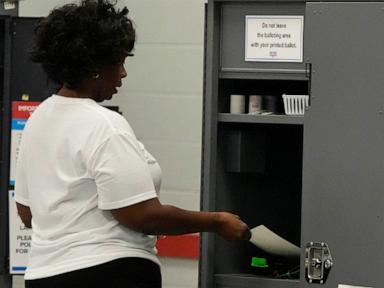
Georgia's Republican-controlled legislature will keep QR codes in its vote-counting system for the 2022 midterm elections after choosing to delay reforms. The decision leaves in place a method that election security experts have criticized as vulnerable to manipulation and fraud.
The state uses QR codes printed on paper ballots that voters mark by hand. Election workers then scan these codes into tabululation machines to count votes. Critics argue this approach creates security gaps because voters cannot independently verify that the scanned code matches their actual ballot selections. A discrepancy between what a voter marked and what the QR code registers could go undetected.
Georgia lawmakers had debated replacing or modifying the system before November's midterms. Some legislators supported switching to direct paper ballot scanning, which would eliminate the QR code intermediary entirely. This alternative would allow machines to read voter marks directly from ballots, reducing potential points of failure.
However, the state legislature chose to postpone action until after the midterm elections. Lawmakers cited concerns about implementing major voting system changes too close to Election Day, fearing operational disruptions. The decision effectively guarantees that Georgia voters will cast and count ballots using the current QR code method through at least 2022.
State election officials have maintained that Georgia's existing safeguards, including post-election audits, adequately protect ballot integrity. Still, cybersecurity researchers and voting rights advocates have pressed for faster adoption of more transparent vote-counting procedures.
The delay reflects a broader tension in election administration. Improving voting system security often requires significant changes that take time to implement, train poll workers on, and test. But postponing reforms means accepting known vulnerabilities for additional election cycles. Georgia's choice to maintain the status quo prioritizes operational continuity over security upgrades heading into a high-stakes midterm election.