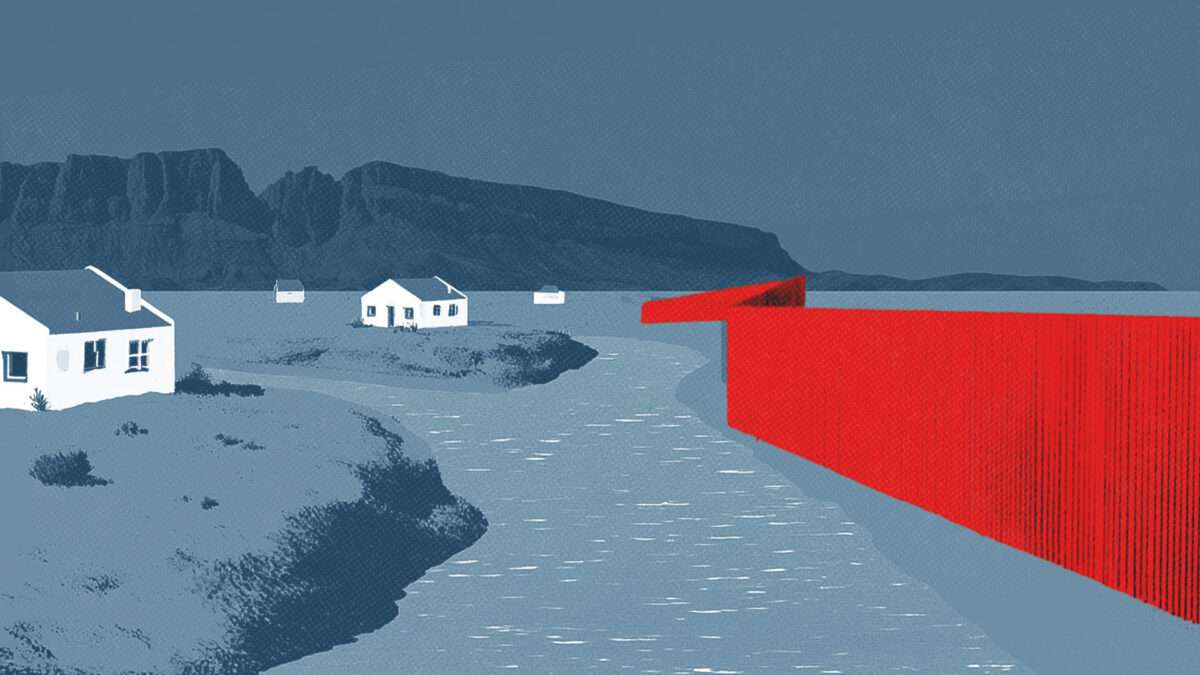
Texas property owners along the southern border face government seizure of their land if they refuse to allow construction of border barriers on their property. The federal government has invoked eminent domain powers to acquire rights-of-way for wall construction, presenting landowners with a stark choice: voluntarily grant access or face forced acquisition with potentially lower compensation.
The Texas Tribune investigation reveals landowners in communities like Mission and McAllen have received notices demanding easement rights across their property. Many owners report feeling pressured to accept government offers rather than endure lengthy legal battles over fair market value. Some landowners received compensation below what they believe their land merits, particularly when barriers bisect productive agricultural property or create operational complications for ranching operations.
Federal authorities argue eminent domain authority derives from national security and border control mandates. The government contends it can acquire necessary property interests to construct barriers under existing immigration enforcement statutes. Property owners counter that compensation formulae fail to account for lost functionality, diminished property values from physical division, or the psychological impact of federal barriers crossing private land.
The situation reflects broader tensions between executive power and property rights. Landowners have pursued legal challenges, but eminent domain cases historically favor government claims of public necessity. Texas property law traditionally protected landowner interests strongly, yet federal authority supersedes state protections in border security contexts.
Several landowners have accepted settlements rather than litigate, creating precedent that pressures subsequent owners to settle. Others have mounted organized resistance through property rights advocacy groups. The dispute highlights how border security policy implementation directly affects rural communities with minimal input into decisions that permanently alter their property and livelihood.
This remains an active issue as border wall projects continue along the Texas frontier, with hundreds of additional properties potentially affected.