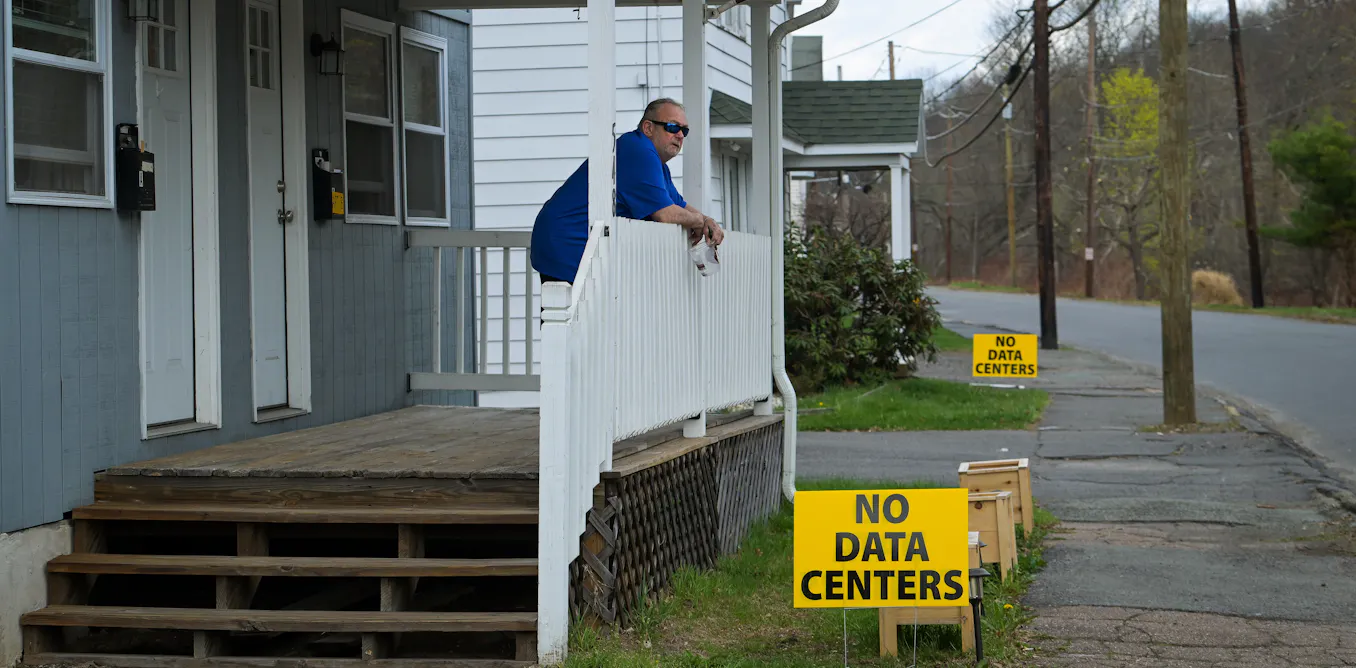
Pennsylvania communities are mobilizing against an influx of data center proposals, citing concerns over infrastructure strain, utility costs, and environmental damage. Towns across the state now demand detailed impact assessments before approving these facilities.
Data centers consume enormous amounts of electricity and water. Residents worry these operations will spike their utility bills and deplete local water supplies. Some municipalities have already experienced power outages and water pressure drops from existing facilities. The heat generated by servers also creates localized warming effects that degrade air quality and landscape aesthetics.
Local officials are taking action. Several Pennsylvania towns have enacted or proposed zoning restrictions that limit data center construction or require developers to invest in infrastructure upgrades. Others demand binding agreements ensuring companies absorb costs rather than shifting them to residents. Communities are also requesting transparency about facility operations, potential environmental risks, and long-term community benefits.
The push reflects a growing pattern nationwide. Data centers represent critical infrastructure for cloud computing, artificial intelligence, and digital services. Tech companies view Pennsylvania favorably due to its proximity to major markets, abundant water resources, and existing electrical grid capacity. However, these same advantages make the state attractive precisely because infrastructure is already strained.
Pennsylvania state lawmakers face pressure to establish statewide standards. Some advocate for new regulations requiring environmental impact studies and community approval processes. Others push for tax incentives that offset local costs. The tension between economic development and quality of life remains unresolved.
This dispute reveals a broader challenge for American governance. Communities want the jobs and tax revenue data centers provide. They also want protection from the burden these operations impose. Towns in Pennsylvania are refusing to accept the traditional deal: accepting industrial development without guarantees of local benefit or environmental safeguards. Their pushback suggests future data center proposals will face harder negotiations with residents who understand their leverage.