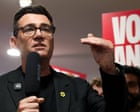
Andy Burnham, the Greater Manchester mayor, is positioning the Makerfield byelection as a test of Labour's commitment to regional economic renewal. On the eve of polling day, Burnham told supporters that a vote for Labour represents a choice to "power up north of England" and reject "40 years of trickle-down economics that didn't trickle down much."
Burnham's framing reflects broader tensions within Labour regarding its economic direction under Prime Minister Keir Starmer. The Greater Manchester leader has emerged as a vocal advocate for devolved power and northern investment, messaging that appeals to the party's traditional heartland constituencies like Makerfield, a seat Labour has held since its creation in 1983.
The byelection takes place against the backdrop of internal Labour discussions about Starmer's leadership trajectory. Reports indicate Burnham intends to call Starmer this weekend to discuss the prime minister's political future, though Starmer has signaled openness to conversation without committing to timeline specifics.
The Makerfield byelection carries symbolic weight for Labour's northern strategy. Burnham's emphasis on ending decades of what he characterizes as failed trickle-down policy speaks to working-class concerns about deindustrialization and regional inequality. His rhetoric about "powering up" the north aligns with Labour's campaign messaging but also suggests underlying questions about whether the Starmer government is delivering on promises to level up disadvantaged areas.
Burnham's public intervention in the byelection reflects his growing profile within Labour politics. As mayor of Greater Manchester since 2017, he commands significant regional influence and has consistently advocated for greater autonomy and investment in northern England. His framing of this byelection as something that could "change British politics" elevates the local contest into a statement about Labour's broader direction and commitment to its traditional