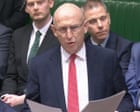
John Healey resigned as UK Defence Secretary last week over what he characterized as insufficient defence spending commitments. The former defence secretary and ex-defence minister Al Cairns presented resignation statements to Parliament, signaling deep disagreement with the government's approach to military investment.
Prime Minister Keir Starmer defended the Defence Investment Plan at the G7, emphasizing that Labour increased defence spending from 2.3 percent to 2.6 percent of GDP, the largest increase since the 1980s. Starmer stated that this commitment represents £270 billion in defence spending across the current parliamentary term.
Despite Starmer's framing, Healey's departure reveals fractures within the Labour government on defence policy. Healey previously served as Defence Secretary under Starmer and held responsibility for overseeing military operations and strategic planning. His resignation suggests the draft Defence Investment Plan falls short of what military leadership and defence experts consider necessary to meet contemporary security threats, particularly given NATO obligations and tensions with Russia over Ukraine.
Starmer has appointed Dan Jarvis as Healey's replacement. The Prime Minister confirmed that Jarvis will provide input on the final version of the Defence Investment Plan before publication, a move that may reflect attempts to address concerns raised by Healey's departure.
The timing carries significance. Britain faces pressure from NATO allies to increase defence commitments amid the ongoing Ukraine conflict. The 2.6 percent spending figure itself represents movement from earlier Labour positions, but Healey's exit indicates the party remains divided on whether this goes far enough.
Healey's resignation and subsequent criticism of the defence plan create political pressure on Starmer to demonstrate resolve on national security. The new Defence Secretary Jarvis now faces the task of finalizing investments while managing continued internal party debate about military spending priorities and NATO obligations. The final Defence Investment Plan will likely reveal whether Starmer's government