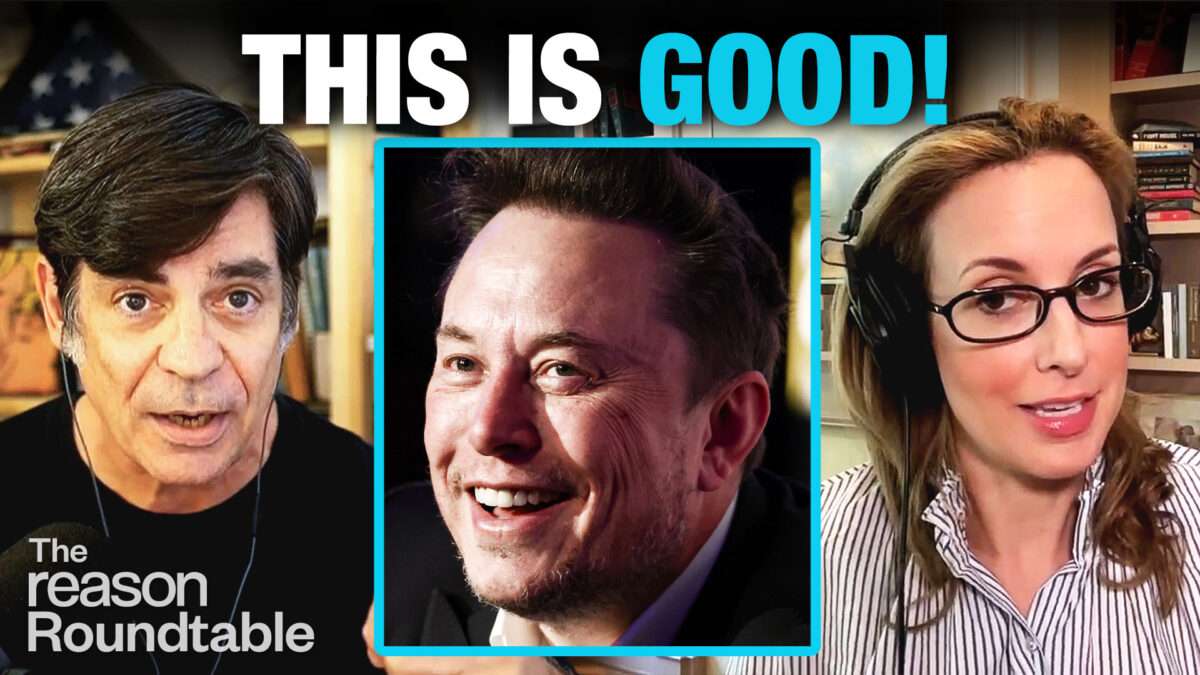
# Bernie Sanders Is Wrong About Trillionaires
Senator Bernie Sanders of Vermont has renewed calls to tax extreme wealth, targeting the emergence of trillionaires as evidence of a broken economic system. Sanders argues that concentrating such massive fortunes represents a failure of democratic governance and requires aggressive wealth redistribution.
Critics counter that Sanders misunderstands the mechanics of wealth accumulation and inflation. Projections showing trillionaires rely on extrapolating asset appreciation over decades without accounting for taxation, market corrections, or charitable giving. Even billionaires like Elon Musk and Jeff Bezos see their net worth fluctuate dramatically based on stock prices. A trillion-dollar fortune would face enormous practical barriers to realization.
The debate reflects deeper disagreement about taxation policy. Sanders supports substantial increases on capital gains and wealth taxes, viewing them as tools for redistribution. Opponents argue such policies discourage investment, reduce economic growth, and ultimately harm wage earners and workers. They also question whether existing governments efficiently deploy tax revenue.
The trillionaire framing serves Sanders' broader political message about inequality but may obscure practical policy discussions. Wealth taxes face serious implementation challenges, including asset valuation disputes and capital flight. Several European countries abandoned wealth taxes after they failed to generate expected revenue.
Beyond Sanders' wealth taxation arguments, the political landscape includes other major economic concerns. The Supreme Court's pending decisions on regulatory authority and tax policy could reshape how government addresses inequality. Simultaneous debates over court expansion versus judicial restraint have intensified, with progressives arguing the Court blocks necessary redistributive policies while conservatives warn against politicizing the judiciary.
International developments also affect domestic economics. Escalating tensions with Iran and potential military conflict carry unpredictable financial consequences. Energy prices, defense spending, and inflation could all shift significantly depending on geopolitical events.
Sanders remains influential in shaping Democratic Party priorities around inequality and