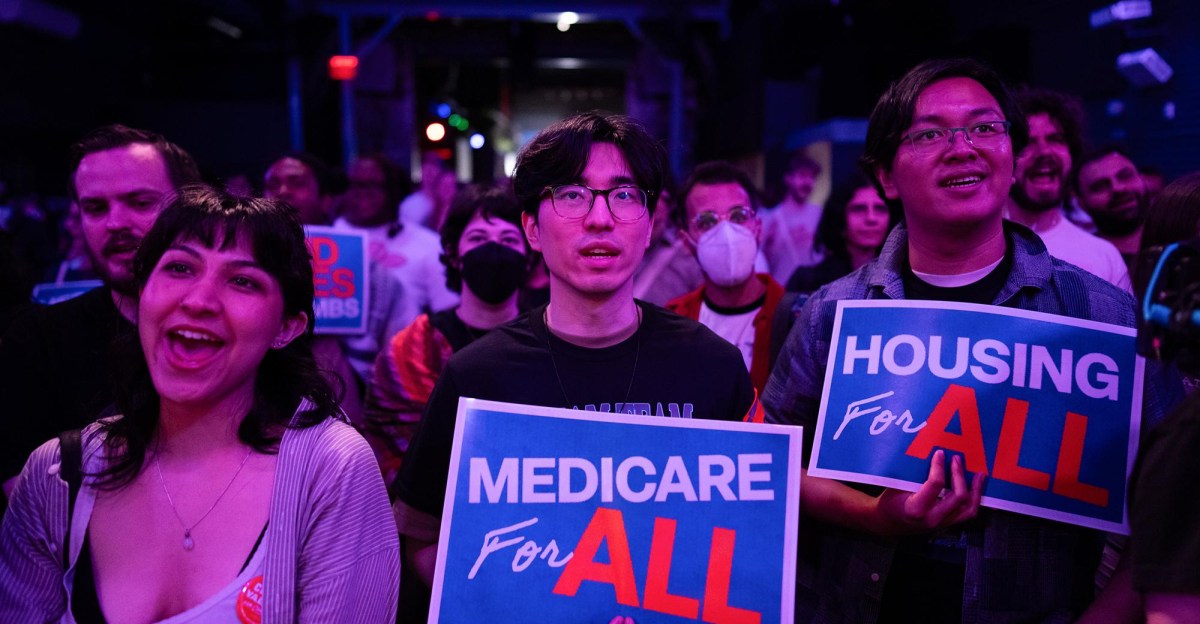
Between 2020 and 2024, Gen Z voters swung right by more than 20 percentage points. Now they are moving away from President Donald Trump, driven mainly by concern over the cost of living and economic anxiety, according to recent surveys.
In YouGov's tracker, "inflation/prices" ranks as the top concern for voters under 30, far above civil rights and civil liberties. A Harvard IOP youth poll found that the cost of living, corruption, and US involvement in foreign conflict were the top three issues for young Americans ages 18 to 29. Sixty-five percent of this group said the cost of living is "extremely important" in determining their midterm vote. Forty-nine percent said their personal finances have gotten worse since Trump took office, and 91 percent said the cost of living will be important in determining their vote. The final New York Times/Siena national poll reported that zero percent of likely voters under 30 "strongly approve" of Trump's performance on cost-of-living issues.
This marks a shift from Gen Z's earlier priorities. In 2020, healthcare, the environment, and racism topped young voters' concerns, according to Gallup. In the 2022 midterm cycle, Gen Z voters were the only age group to name abortion as the top concern, ranking it 23 points higher than inflation in a Tufts University CIRCLE analysis of exit-poll data.
Just 63 percent of adults 18 to 29 said they are "doing okay" or "living comfortably," compared with 83 percent of adults 60 and over. One study found that employment among workers ages 22 to 25 in AI-exposed occupations was 19 percent lower than it would have been had it kept pace with less-exposed peers. Only 30 percent of 2025 college graduates got a full-time job related to their degree, a drop of 11 points from 2024. The majority of adults under 30 are more concerned than excited about AI, according to Pew Research Center data.
Young voters in focus groups expressed anxiety about affording basics. A 23-year-old from Tucson said groceries, rent, gas, and healthcare felt too expensive. A 21-year-old student in Pennsylvania said he relies on school refunds to pay rent, car payments, and utilities. A 26-year-old teacher from Illinois said it felt "impossible" to afford gas, food, and housing simultaneously.
Both parties will need to address Gen Z's cost-of-living concerns, which could create tension with older voters on issues like housing and healthcare. Young voters feel locked out of homeownership while older voters hold property bought at lower prices. Healthcare costs for younger Americans unable to access employer coverage compete for federal attention with senior programs like Medicare.