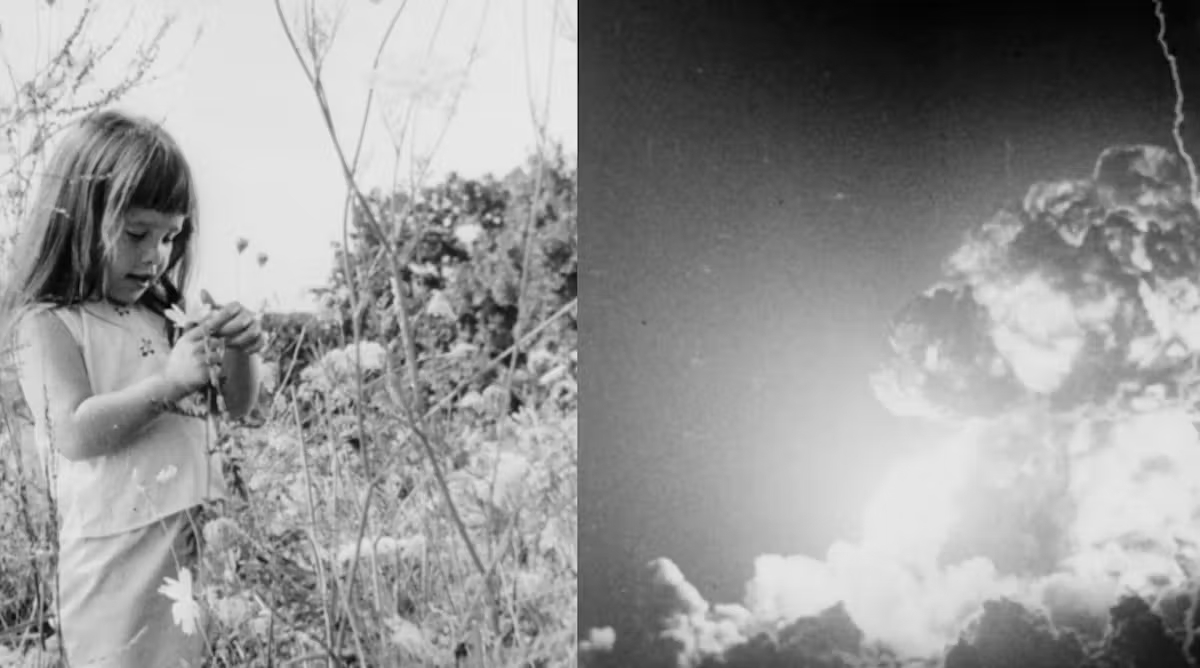
Fear-based campaign ads draw voter attention but produce unpredictable results at the ballot box, according to research on political persuasion.
The 1964 "Daisy" ad for President Lyndon B. Johnson showed a child counting flower petals before a nuclear explosion. It aired once as a paid spot and never mentioned Republican opponent Barry Goldwater, but played on existing voter fears that Goldwater might start a nuclear war. After Republican protests and Democratic withdrawal, news broadcasts reran it in full.
Political scientists Travis Ridout and Kathleen Searles found that candidates trailing in Senate races leaned on fear and anger in their ads, while front-runners emphasized enthusiasm and pride. Research by Ted Brader showed that changing only music and images in identical ad scripts produced different viewer reactions. When negative ads paired grainy images with tense music, viewers paid closer attention and became more willing to reconsider their candidate choice.
Fear cues push viewers to weigh new information. Politically informed citizens responded more to emotional appeals than less engaged voters.
However, a review of over 100 studies found no dependable evidence that negative campaigning wins elections, and some evidence it lowers favorable feelings toward the sponsoring candidate.
Communication scholar Kim Witte's research found that fear motivates action only when people believe a workable response exists. When threats feel large and solutions feel unreachable, people tune out or deny the threat instead.
Anxiety also affects learning. In experiments, people who felt anxious and confident they could act sought the most information. Those anxious but lacking confidence searched for information yet recalled very little.
Political scientist Nicholas Valentino found that anger boosted voter participation more reliably than anxiety. Anxiety mattered mainly for people with skills and resources to donate, attend rallies or sign petitions.
Fear works most reliably when attached to stereotypes voters already hold. Political scientist Tali Mendelberg's research showed implicit racial appeals in the 1988 Bush campaign ads about Willie Horton and prisoner furloughs lost force once someone publicly named them as racial.