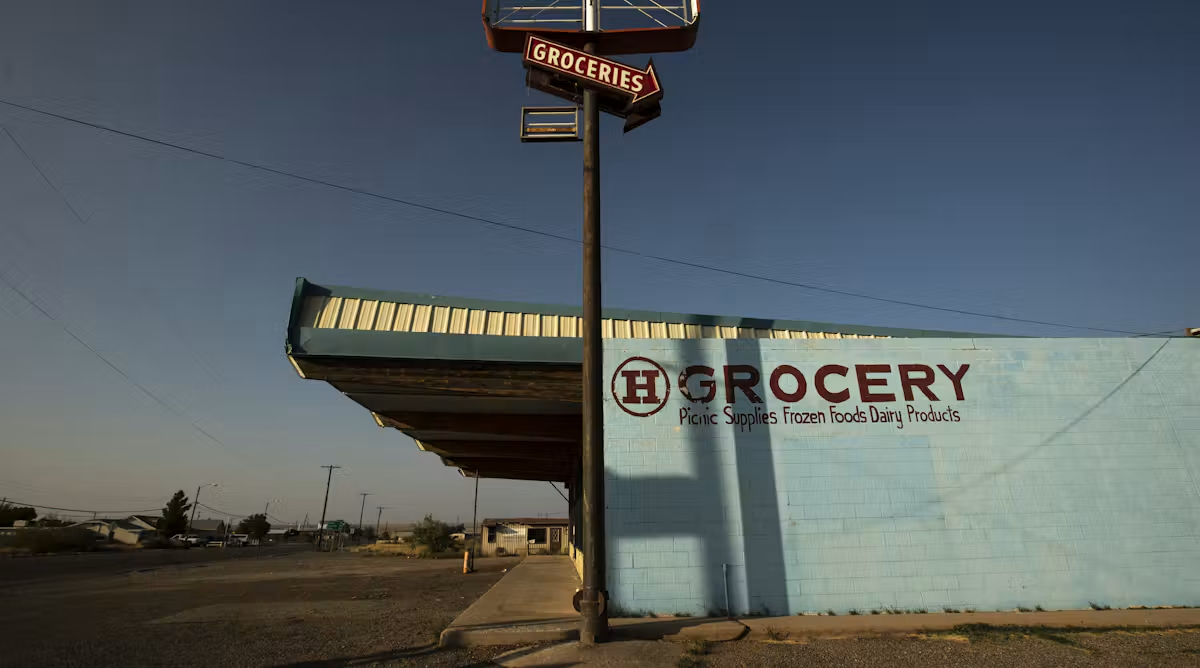
Food insecurity among rural households increased from 12% in 2019 to nearly 16% in 2024, according to the U.S. Department of Agriculture. Delivering perishable foods to rural areas costs distributors more because rural routes require long, multi-stop journeys or result in partly empty trucks returning to base.
Federal policy changes since the 1970s have worsened rural food access. The 1935 Motor Carrier Act required licensed trucking companies to serve specific regions, balancing unprofitable rural service with profitable urban routes. In 1980, President Jimmy Carter signed a new Motor Carrier Act that removed this requirement. Once carriers could choose their routes, service to rural regions declined as companies prioritized more profitable urban routes.
The 1936 Robinson-Patman Act prohibited wholesale suppliers from favoring large grocers with better prices or exclusive deals. Though still on the books, enforcement waned in the 1970s as deregulation took hold. Grocery companies accelerated consolidation and gained control of supply chains through massive buying power.
A food systems researcher found that national distributors are underserving West Virginia, Arizona, Texas, Michigan, North Dakota, South Dakota and Montana when it comes to refrigerated meat, dairy and prepared foods. In most Wisconsin counties, national distributors delivered less than 9.2 pounds of leafy greens per person annually, less than a third of the 30 to 35 pounds a typical American eats yearly. Urban counties around Milwaukee and Madison received 19 to 37 pounds per person annually.
During the Biden administration, the Federal Trade Commission revived enforcement of the Robinson-Patman Act. The FTC sued to block a merger between Kroger and Albertsons and sued distributor Southern Glazer's for allegedly giving deep discounts to national chain stores. In May 2025, under the Trump administration, the FTC dropped the PepsiCo case, citing partisanship. In October 2026, it settled its case against Southern Glazer's in a deal the agency said would make it easier for small businesses to compete with large chains.
Independent retailers operate more than half of rural grocery stores and provide 38% of food sales. Some rural grocers have joined distribution co-ops they own and govern to alleviate supply chain costs. One grocer described how two cooperative distributors merged and were bought by a private equity firm, which Kroger later purchased and stopped using to supply independent stores.
In 2025, the Trump administration announced it would no longer collect food security data. Meanwhile, public funding to monitor food systems continues to decline.