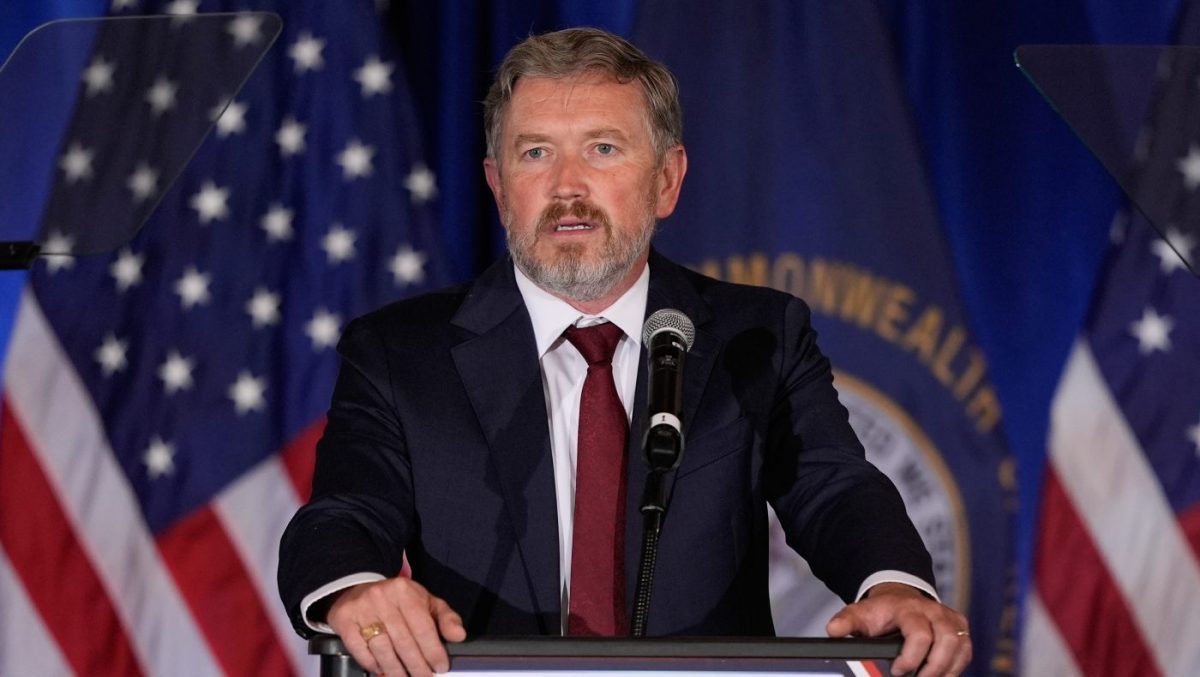
Rep. Thomas Massie of Kentucky warned President Trump to fire Defense Secretary Pete Hegseth preemptively rather than face a House impeachment vote. Massie's intervention suggests deepening fractures within Republican ranks over Hegseth's fitness for one of government's most powerful positions.
Massie, a libertarian-leaning Republican who routinely breaks from party orthodoxy, framed the advice as practical politics. The timing matters. An impeachment proceeding would consume congressional floor time, dominate media coverage, and force uncomfortable votes on fellow Republicans. Removing Hegseth voluntarily avoids that spectacle. Trump reportedly considered firing Hegseth, according to reporting that prompted Massie's public counsel.
Hegseth, a Fox News personality and military veteran, has faced mounting scrutiny since his nomination. Allegations of sexual assault, inappropriate workplace conduct, and excessive drinking emerged during his confirmation hearings. The Senate narrowly confirmed him despite bipartisan concerns. Vice President J.D. Vance cast a tiebreaking vote in Hegseth's favor, signaling just how thin his support ran among Republicans.
The controversy has not subsided post-confirmation. House Democrats have discussed impeachment as a potential accountability mechanism. Some Republicans have joined those conversations, indicating the damage extends beyond typical partisan lines. This is where Massie's warning becomes operative. If Democrats move first on impeachment, it fractures Republican unity during a period when Trump needs consolidated party support.
Massie's relationship with Trump exemplifies this dynamic. The congressman frequently opposes Trump on policy, particularly on military spending and foreign interventions. Yet he commands respect within House GOP circles as an independent voice untethered to the leadership structure. His warnings carry weight precisely because he lacks personal incentive to protect Trump's agenda. When Massie speaks, other Republicans listen.
The Defense Secretary position carries immense operational and symbolic weight. Hegseth controls the world's largest military apparatus, oversees hundreds of billions in annual spending, and advises the president on national security matters. The Pentagon requires stable, credible leadership. Ongoing scandal around Hegseth undermines that stability. Each new revelation erodes his authority within military ranks.
For Trump, the calculus pivots on political cost versus benefit. Hegseth brings ideological alignment. The Defense Secretary has promised to rid the Pentagon of what he views as woke ideology, a priority for Trump. Yet retaining Hegseth carries risks. Defending him consumes political capital. An impeachment vote forces Republicans to choose between party loyalty and their own electoral calculations, especially those in competitive districts.
Massie's suggestion reflects practical governance concerns. Congressional time remains finite. The Senate must confirm judges, review appropriations bills, and handle routine business. An extended impeachment battle over Hegseth diverts resources from Trump's legislative agenda. Removing Hegseth unilaterally lets the administration reset and move forward without the distraction.
The underlying tension here pits Trump's desire for loyalists against institutional accountability. Hegseth embodies that tension acutely. His nomination satisfied Trump's base. His scandals threaten Republican unity. Massie, by suggesting a voluntary removal, offers Trump an off-ramp that preserves his authority while avoiding forced capitulation to Democratic pressure.
Whether Trump accepts this advice remains uncertain. His instinct typically favors fighting rather than retreating. But Massie's public intervention signals that even Trump-aligned Republicans recognize the Hegseth controversy poses genuine governance challenges that extend beyond normal partisan dispute.