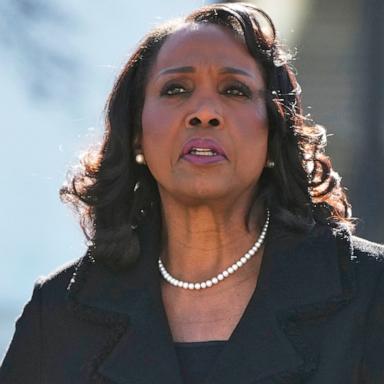
Federal Reserve Governor Lisa Cook's legal team has challenged the legitimacy of a White House-convened committee tasked with investigating allegations against her, arguing the panel operates with inherent bias. The lawyers stopped short of ruling out Cook's participation in the proceedings, leaving her path forward uncertain as political tensions escalate around her tenure at the central bank.
The committee was established by the Trump White House last week following an accusation directed at Cook. Her legal representatives filed objections claiming the investigative body lacks impartiality and operates under conditions that prejudge the outcome before evidence is presented. The assertion of bias signals deep concern about procedural fairness and the politicization of oversight mechanisms traditionally reserved for internal governance matters.
Cook, a Democratic appointee who has served on the Federal Reserve's Board of Governors, became a flashpoint in broader Republican efforts to reshape the central bank's leadership and policy direction. The White House investigation represents an unusual intervention into Federal Reserve affairs, an institution designed to maintain independence from direct political pressure. The committee's establishment reflects the Trump administration's willingness to use investigative mechanisms to scrutinize Biden-era appointees.
The timing and nature of this inquiry occur within a larger context of Republican skepticism toward recent Federal Reserve decisions and personnel. Cook's appointment by President Joe Biden in 2021 faced Republican opposition, with some lawmakers questioning her academic credentials and policy positions. Her role voting on monetary policy decisions has drawn criticism from conservatives who view the Federal Reserve as insufficiently focused on inflation concerns.
Cook's lawyers did not categorically reject participation in the White House hearing, suggesting possible engagement under different conditions or procedural safeguards. This approach keeps channels open while establishing a record of protest about the process itself. Legal strategy here balances the need to challenge an allegedly compromised proceeding against the political cost of appearing uncooperative or evasive.
The controversy highlights ongoing partisan divisions over central banking and regulatory independence. Democrats have portrayed the investigation as politically motivated retaliation against a qualified economist and woman of color appointed during the Biden administration. Republicans defend scrutiny of Federal Reserve officials as appropriate oversight of government appointees handling consequential economic decisions.
The White House committee investigation sets a precedent for how future administrations might handle personnel disputes with the Federal Reserve. Should the Trump administration pursue aggressive action against Cook based on committee findings, it could establish expectations for heightened political involvement in the traditionally independent institution's operations. Conversely, if the committee's work produces minimal consequences, it may be dismissed as political theater with limited practical effect.
Cook's continued tenure depends on outcomes across multiple fronts. Her existing board position extends through her appointment term regardless of the White House inquiry, though reputational damage could complicate future professional opportunities or advancement within the Federal Reserve system. The investigation creates a cloud over her decision-making authority and public credibility during an economically sensitive period.
The legal challenge by Cook's team signals an intent to contest the legitimacy of any adverse findings, potentially moving disputes beyond the White House into court proceedings or public debate. This defensive posture reflects confidence in her position while acknowledging the political disadvantage of facing an administratively hostile investigative body.