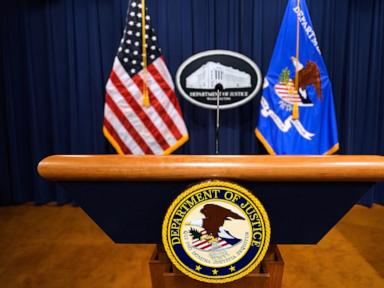
The Justice Department escalated tensions with California this week by threatening legal action against the state over allegations that noncitizens received mail ballots ahead of the midterm elections. The threat marks a direct clash between federal enforcement and a Democratic-controlled state over voter eligibility and election integrity.
Federal officials claim that noncitizens in California obtained ballots for the upcoming midterm contest. The department did not specify the number of affected ballots or provide detailed evidence in the threat letter, but the allegation strikes at a core concern in American elections: ensuring only eligible citizens vote.
California officials have pushed back against the characterization. State election administrators argue that their systems include multiple safeguards to prevent noncitizens from registering to vote and that the state takes voter eligibility seriously. California's Department of Motor Vehicles coordinates with election officials to identify ineligible voters through its database, a practice the state touts as a national model for catching registration errors.
The Justice Department's threat comes as the Trump administration has elevated election integrity concerns. Federal prosecutors have increased scrutiny of voter rolls and election procedures in states led by Democrats. Critics argue this reflects a partisan approach to voting enforcement, noting that similar concerns have not generated equivalent legal threats against Republican-led states.
California has long been a flashpoint in debates over voting access and election security. The state automatically registers voters when they obtain driver's licenses, a policy Democrats championed as expanding participation. Republicans have questioned whether this system adequately screens out noncitizens. The state's process relies on citizenship attestations at the DMV, which officials say they verify against federal databases.
The Justice Department can pursue litigation under Section 8 of the National Voter Registration Act, which allows federal authorities to challenge state election procedures if they believe violations exist. A lawsuit would require the department to prove its case in court, submitting evidence that noncitizens actually received ballots and that California's systems failed to prevent it.
The timing matters. With midterms approaching, any legal action could create chaos in voter administration or uncertainty in election results. Federal judges must balance the government's interest in election integrity against the practical challenges of running elections during active campaigns.
California election officials have not disclosed how many noncitizens the Justice Department alleges received ballots or provided specifics on the department's methodology for identifying them. This gap between the allegation and available evidence complicates independent verification.
The dispute reflects deeper disagreements about election administration philosophy. Democrats typically emphasize expanding voting access and argue that proven noncitizen voting is vanishingly rare. Republicans stress stronger verification procedures and point to cases where ineligible voters slipped through systems as evidence that current safeguards fail.
The Justice Department's next move remains unclear. A formal lawsuit would signal sustained commitment to the enforcement action. State officials will likely mount a vigorous defense if litigation proceeds.