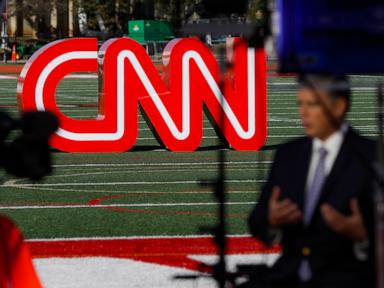
A federal judge extended an order Wednesday blocking the Trump administration from barring journalists from CNN, MSNBC and Politico from White House access, according to court filings.
The ruling came after Trump administration officials attempted to enforce restrictions on reporters from these three outlets. The judge found sufficient legal grounds to maintain the temporary restraining order, determining that the news organizations and their journalists faced potential harm from exclusion.
This marks the latest escalation in tensions between the Trump administration and major news outlets over press access and White House credentialing. The administration had sought to remove credentials or deny access to journalists it viewed as hostile or unfair in their coverage.
The judge's decision reflects longstanding constitutional questions about presidential power versus First Amendment protections. Courts have historically recognized that while presidents possess broad discretion over White House operations, they cannot engage in viewpoint-based discrimination that violates reporters' free speech rights.
CNN, MSNBC and Politico challenged the restrictions through legal action, arguing that selective enforcement against their outlets constituted retaliation for unfavorable coverage. Their legal teams contended that such actions set a dangerous precedent for press freedom and violated established protocols for White House press corps access.
The Trump administration had defended its position by arguing that news organizations engage in biased or inaccurate reporting, and that managing White House access falls within executive authority. Officials maintained they were addressing concerns about journalistic standards rather than punishing particular viewpoints.
This dispute reflects broader tensions between the Trump administration and mainstream media outlets. Throughout his political career, Trump has frequently criticized major news organizations and their coverage, using phrases like "fake news" to challenge reporting he views as unfair or inaccurate.
The extended order likely means the ban remains blocked pending further court proceedings. Both sides will continue legal arguments before the judge issues a final ruling on the merits of the case. The decision could establish precedent for how courts balance presidential access management against constitutional press protections.
White House press operations typically maintain detailed credentialing processes. Historically, exclusions have been rare and usually temporary, reserved for specific security concerns or violations of press room conduct rules rather than editorial judgment about news coverage.
Legal experts note that courts have consistently held that the government cannot condition access based on viewpoint or editorial position. The First Amendment generally protects the press from such discrimination, even when the government claims editorial independence concerns.
The ruling sends a message that courts will scrutinize attempts to exclude journalists based on coverage criticism. Whether this temporary extension becomes permanent depends on the judge's final ruling and any appeals the administration might pursue.