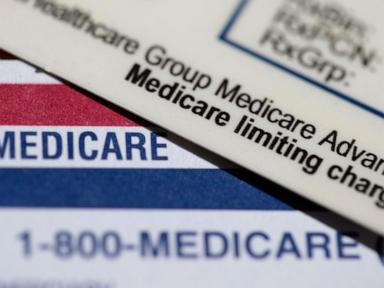
President Donald Trump's promised $90 Medicare rebate begins rolling out this week, though the program covers only a fraction of the nation's 67 million Medicare beneficiaries. The initiative excludes most seniors enrolled in Medicare Advantage plans and those receiving Medicaid coverage alongside Medicare, leaving roughly two-thirds of the eligible population without access to the rebate.
The rebate targets approximately 21 million traditional Medicare Part B beneficiaries who pay premiums directly. Eligible seniors will receive $90 checks aimed at offsetting rising healthcare costs. The administration frames the rebate as a direct benefit to retirees struggling with inflation and medical expenses.
Democratic critics and healthcare advocates argue the program functions as a pre-election political gesture rather than substantive policy reform. They contend the rebate addresses symptoms of high healthcare costs without tackling root causes like drug pricing or administrative waste. The timing coincides with Trump's reelection campaign, a pattern opponents note repeatedly when discussing the initiative.
The exclusion of Medicare Advantage enrollees represents a significant limitation. Medicare Advantage, offered by private insurers as an alternative to traditional Medicare, serves approximately 32 million beneficiaries as of 2024. These seniors receive coverage through private plans rather than government administration. The rebate program's structure does not extend benefits to this population, meaning roughly half of Medicare's beneficiary base remains untouched.
Dual-eligible beneficiaries, seniors receiving both Medicare and Medicaid coverage simultaneously, also face exclusion. These individuals typically represent the most vulnerable population within Medicare. Roughly 12 million seniors qualify as dual-eligible, many with incomes below poverty levels. Their exclusion raises questions about targeting priorities within the program.
Healthcare economists point out that a one-time $90 payment offers limited relief against annual Part B premiums, which have climbed to $174.70 monthly in 2024. The rebate covers approximately five weeks of premium payments for a single beneficiary. Over a year, the payment represents less than a 7 percent reduction in annual Part B costs.
The administration defends the program as an initial step, with officials indicating potential expansion in future years. White House communications emphasize Trump's commitment to supporting seniors on fixed incomes. Spokespersons argue the rebate demonstrates Republican dedication to Medicare beneficiaries compared to Democratic approaches.
Logistically, the rebate rollout requires coordination across multiple federal agencies. Payments process through the Centers for Medicare and Medicaid Services. Eligible beneficiaries need not apply. The administration automatically identifies qualifying individuals based on existing enrollment records.
Congressional Democrats have introduced counter-proposals emphasizing negotiation of drug prices and expansion of preventive care coverage. These approaches aim to address long-term cost drivers within the Medicare system rather than offering temporary financial relief.
The rebate's political dimensions overshadow its practical impact among healthcare policy experts. Many view it as campaign messaging rather than transformative reform. Yet beneficiaries receiving checks will experience immediate, tangible financial relief regardless of the motivation behind the program's creation.