# Republicans Target Michigan Democrat Abdul El-Sayed as Midterm Villain
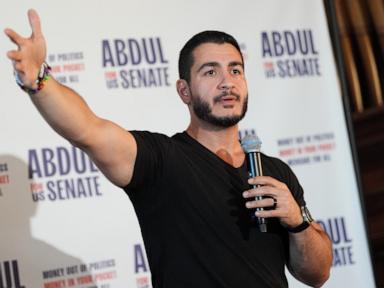
Republicans have made Michigan Democratic Senate nominee Abdul El-Sayed the focal point of their 2024 midterm strategy, flooding the airwaves with attacks on his record and positions. El-Sayed, a physician and former Michigan health director, has embraced the role rather than shy away from it, turning the criticism into a platform to define his candidacy on his own terms.
The strategy reflects a broader Republican playbook in competitive Senate races. By elevating El-Sayed's profile and forcing him to defend himself, Republicans aim to define him before he can establish his own narrative. The approach targets his tenure leading Michigan's Department of Health and Human Services under Governor Gretchen Whitmer, his progressive policy positions, and his public health decisions during the COVID-19 pandemic.
El-Sayed announced his Senate run challenging incumbent Republican John James, who won his seat in 2022. James represents the Republican establishment's preferred candidate in what figures to be one of the nation's most competitive Senate races. Michigan has emerged as a bellwether state in recent elections, and control of the Senate often hinges on outcomes in states like this.
Republicans have focused their attacks on El-Sayed's pandemic policies, including strict lockdown measures and vaccine mandates that remain controversial among conservative voters. They have also scrutinized his statements on healthcare policy and his support for progressive Democratic priorities. National Republican groups have invested heavily in advertising against him in Michigan media markets.
El-Sayed's response differs markedly from typical Democratic playbooks. Rather than minimizing his progressive credentials or distancing himself from pandemic-era decisions, he has doubled down on defending his public health record. He frames his work as scientist-driven and necessary to protect Michiganders. This approach appeals to his base of progressive voters and younger Democrats who dominate primary electorates.
The tactic carries risks. By accepting the role of central figure in Republican messaging, El-Sayed allows his opponent to control the narrative terrain. However, it also prevents Republicans from painting him as evasive or dishonest about his record. Voters who already know him benefit from his direct engagement with criticism.
Political analysts note that midterm elections often pivot on voter enthusiasm and turnout. By making El-Sayed "the main character," as one observer noted, Republicans hope to energize their base while depressing Democratic turnout. Democrats counter that El-Sayed's willingness to defend his record demonstrates strength and authenticity, qualities voters value.
The Michigan Senate race carries national implications. Democrats hold a narrow Senate majority and must defend seats in states Trump won. The outcome in Michigan will test whether Democrats can hold ground in Midwest battlegrounds while Republicans pursue their strategy of elevating Democratic candidates they believe are vulnerable.
El-Sayed's candidacy represents a test case for whether Democrats can win statewide races by running unapologetically progressive candidates in states that have trended Republican in recent presidential elections. His willingness to lean into controversy rather than retreat from it offers a different model than previous Democratic Senate candidates pursued.