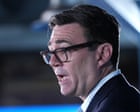
Andy Burnham has declared that Russia interfered in the 2016 Brexit referendum, claiming he received confirmation of Kremlin meddling after asking senior officials upon becoming Prime Minister. Burnham did not identify which advisor or intelligence official provided this answer, choosing to keep that source confidential while making his conclusion public.
The Labour leader's statement marks a significant moment in British politics. For years, questions about Russian involvement in Brexit have circulated through parliamentary debates and media coverage. The government has resisted drawing firm conclusions on the matter, citing the need for discretion around intelligence assessments. Burnham's willingness to state plainly that interference occurred challenges this caution and suggests intelligence officials have given him a definitive assessment.
This revelation carries weight because Burnham holds the highest office in British government. His predecessor and other ministers have avoided making such declarative statements about Russian interference in a democratic vote. The decision to speak about this now, without naming his source, reflects a balance between transparency and protecting intelligence methods or sources that informed his conclusion.
The 2016 Brexit referendum remains contested terrain. Pro-Leave and pro-Remain camps have disagreed sharply on various factors that influenced the result. Russian disinformation campaigns were documented by researchers and security analysts even before the vote took place. The question of whether this interference materially altered the outcome has never been definitively established, but Burnham's statement assumes it occurred regardless of scale.
The timing of his disclosure deserves attention. The date stamp in the article places this in October 2026, well into his premiership. His comment that he asked about Russian interference "upon entering No 10" suggests he prioritized this question immediately upon taking office. This indicates either that he had long wanted an authoritative answer, or that external pressure or briefings made it a first-order priority for his incoming administration.
Burnham's reluctance to name his source reflects the politics of intelligence in Britain. Official inquiries into Russian interference have generated controversy. Parliamentary committees have investigated foreign interference. The public inquiry into whether Russian money influenced British politics has faced delays and scrutiny. By confirming interference without detailing who told him, Burnham avoids opening debates about which officials made determinations or which agencies possess definitive proof.
The statement positions Burnham as someone willing to acknowledge uncomfortable truths about British democracy. It also suggests his government may treat Russian interference more seriously than his predecessors. Whether this leads to policy changes, diplomatic consequences, or formal public inquiries remains unclear from his remarks alone.
For voters and observers, Burnham's declaration raises new questions. What specifically did Russia do? How extensive was the operation? Did any British actors cooperate with Russian efforts? When will the full assessment become public? His statement opens these lines of inquiry without providing answers.