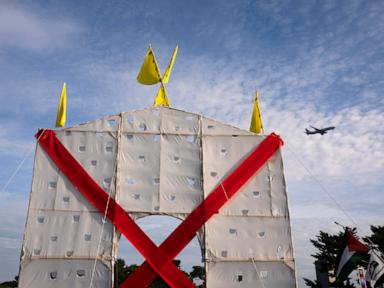
Arlington County, Virginia filed a lawsuit Thursday challenging the construction of a planned Triumphal Arch memorial that President Donald Trump has proposed. The action marks the first time a governmental body has pursued legal remedies against the monument project.
The Arlington County Board initiated the lawsuit as Trump advances plans for a sweeping memorial structure designed to honor American achievements and values. The county's legal challenge centers on concerns about the project's scope, location, and potential impacts on the Northern Virginia jurisdiction.
Trump announced the Triumphal Arch concept as part of broader plans to reshape the nation's capital region with new monuments and memorials. The arch would stand as a centerpiece of Trump's vision for expanded ceremonial architecture in Washington and surrounding areas. The project has drawn attention from urban planners, historians, and local officials who question its feasibility and appropriateness.
Arlington County's lawsuit represents escalating local resistance to Trump's memorial initiatives. County officials have raised concerns about zoning regulations, environmental review requirements, and the project's alignment with existing land use policies. The legal challenge signals that local governments plan to leverage existing statutes and administrative procedures to scrutinize Trump's architectural ambitions.
The monument proposal exists within a broader political context. Trump has positioned ambitious building projects as reflections of American strength and historical continuity. Critics contend that such grand monuments represent an oversized executive vision that bypasses traditional community input and environmental safeguards.
Previous monument disputes have consumed years of litigation and public debate. The World War II Memorial, completed in 2004, faced legal challenges over its design and placement on the National Mall. The Vietnam Veterans Memorial sparked considerable controversy before gaining widespread acceptance. These precedents suggest Trump's arch could face prolonged legal and political obstacles.
Arlington County's action reflects growing pushback from localities concerned about federal overreach. The county board likely consulted with legal experts about applicable state and local statutes before filing. Virginia's environmental review laws and land use regulations provide potential grounds for challenging projects on administrative grounds.
The lawsuit's timing matters politically. As Trump enters his second term, officials in Democratic-leaning Arlington County appear intent on using legal mechanisms to obstruct projects they view as unaligned with regional values. The county, home to Pentagon employees and federal workers, tends to vote Democratic and opposes many Trump administration priorities.
Arlington County officials have not immediately detailed all specific legal grounds for their challenge. The county likely argues that the arch project requires environmental impact assessments, community hearings, and compliance with zoning ordinances that haven't been followed. Such procedural arguments often prove more durable than direct policy objections in court.
The Trump administration will defend the project through the Justice Department and relevant federal agencies. Federal officials typically argue that presidential authority over national monuments and memorials supersedes local zoning requirements. This creates a classic federalism clash between national and local power.
Expect additional lawsuits from environmental groups, preservationists, and other jurisdictions as the arch project develops. The legal battle will likely persist for years, consuming resources and drawing national attention to questions about executive power, memorial standards, and the appropriate use of public land.