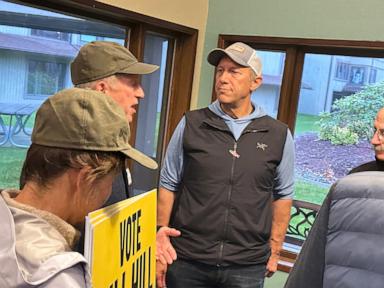
Bill Hill, a commercial fisherman from rural Alaska, has launched an independent congressional campaign that threatens Republican control of the U.S. House. Running in Alaska's at-large district, Hill positions himself as a working-class alternative to the incumbent Republican, arguing he understands the economic pressures facing coastal and rural communities far better than career politicians in Juneau or Washington.
Hill's campaign centers on a populist economic message. He emphasizes the crushing burden of fuel costs, which in remote Alaska communities run two to three times the national average. Fishing communities depend entirely on reliable, affordable fuel for their livelihoods. Hill argues that neither the Republican incumbent nor national GOP leadership has addressed these basic cost-of-living crises that define daily life in Alaska's working communities.
The independent challenge poses a genuine threat to Republicans holding the House. Alaska's district remains competitive territory. While Republicans have dominated statewide elections in Alaska for two decades, the state's unique electoral system and shifting demographics create openings for challengers. An independent who peels off rural and working-class voters from the GOP nominee could hand the seat to a Democrat, or fracture the Republican vote enough to change the outcome entirely.
Hill's candidacy reflects broader Republican vulnerabilities heading into the 2024 cycle. Economic frustration among working-class voters, particularly outside major metropolitan areas, remains high despite recent inflation improvements. Fuel, food, and housing costs continue to outpace wage growth in rural America. Candidates like Hill, who can claim direct personal experience with these hardships, may resonate more authentically with voters than establishment Republican nominees.
The Republican National Committee and state party leaders have begun defensive operations. They face a strategic dilemma: they must either co-opt Hill's message on economic relief, persuade him to withdraw from the race, or damage him through opposition research and advertising. Early indications suggest Republicans view him as a credible threat rather than a marginal candidacy.
Hill's background as a working fisherman gives him credibility that typical politicians lack. He has spent decades operating a commercial fishing boat, managing fuel budgets, navigating environmental regulations, and weathering economic cycles. His lived experience stands in sharp contrast to the typical career politician resume of the incumbent or likely Democratic nominee.
The race will test whether economic populism from working-class candidates can fracture the traditional Republican hold on rural America. If Hill gains traction, his campaign could inspire similar independent or third-party challenges elsewhere, particularly in rural districts where working-class economic anxiety runs deep. National Democrats may see opportunity here even if they field their own nominee.
Alaska's general election results in 2022 demonstrated the state's willingness to support unconventional candidates. That precedent emboldens Hill's campaign. His ability to raise money, build campaign infrastructure, and define himself before Republicans define him will determine whether he becomes a genuine contender or a symbolic protest vote.