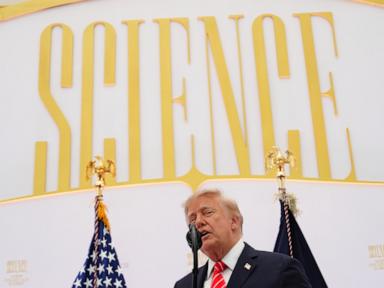
President Donald Trump praised Microsoft CEO Satya Nadella at a recent event, even as Vice President JD Vance intensified attacks on the company's use of H-1B visa workers. The timing created an apparent contradiction within the administration's messaging on immigration policy and tech sector hiring practices.
Vance has become the administration's most vocal critic of H-1B visas, the temporary work permits that allow U.S. companies to employ foreign workers in specialty occupations. Microsoft has historically relied on these visas to fill engineering and technical positions. Vance's public criticism of the visa program and specific companies like Microsoft puts him at odds with Trump's more cordial approach to tech executives during recent events.
The H-1B visa debate centers on competing claims about labor supply. Tech companies argue the visas fill genuine skills gaps they cannot address with American workers. Immigration restrictionists, including Vance, contend the program displaces American workers and depresses wages in the technology sector. They point to cases where companies train American workers only to replace them with cheaper H-1B visa holders.
Trump has historically maintained closer relationships with tech billionaires despite his populist immigration messaging. His Mar-a-Lago estate serves as a de facto headquarters for tech executives seeking access to the administration. This dynamic became visible at the Trump event celebrating Nadella, where the president highlighted the CEO's accomplishments and the company's role in the technology industry.
Vance's aggressive stance on H-1B visas represents the hard-line immigration position within the Trump administration. The vice president has called for restrictions on the program as part of broader efforts to prioritize American workers. His public criticism of Microsoft and other tech companies marks a shift from Trump's previous administration, when the H-1B program faced less organized internal opposition.
The contradiction between Trump's public praise for tech leaders and Vance's attacks on their hiring practices creates uncertainty for the tech industry. Companies relying on H-1B workers face questions about whether the administration will tighten the visa program, impose additional restrictions, or maintain status quo policies.
For Microsoft specifically, the conflicting signals pose operational challenges. The company employs thousands of workers on H-1B visas across its engineering, cloud services, and research divisions. Any significant restrictions on the visa program would force the company to either hire more American workers at higher wages or shift work overseas.
Vance's position reflects broader Republican efforts to appeal to working-class voters who blame immigration and offshoring for job losses and wage stagnation. By targeting H-1B visas, the vice president frames the issue as protecting American workers from foreign competition, a message that resonates with Trump's electoral coalition.
Trump's praise for Nadella suggests the president may ultimately side with tech industry interests over restrictionist immigration advocates. However, the administration's internal disagreement on H-1B policy remains unresolved. The coming months will clarify whether Trump's personal relationships with tech executives or Vance's restrictionist ideology will drive visa policy decisions.