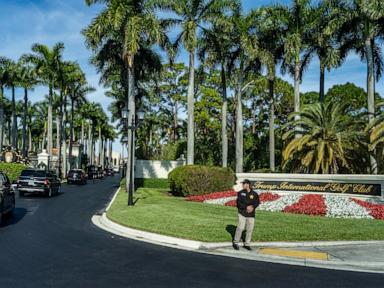
# Trump Proposes Converting Mar-a-Lago into Presidential Retreat to Rival Camp David
President Donald Trump announced plans to convert a section of his Mar-a-Lago golf club in West Palm Beach, Florida into a presidential retreat intended to rival Camp David, the longstanding executive compound in Maryland's Catoctin Mountains.
The proposal represents Trump's latest effort to elevate his private property's status within official presidential infrastructure. Mar-a-Lago, which Trump purchased in 1985, already functions as a de facto second White House where Trump conducts official business, hosts world leaders, and maintains administrative offices during his tenure.
Camp David, established in 1942 and located roughly 60 miles northwest of Washington DC, has served every president since Franklin Roosevelt as a secure retreat for diplomatic meetings, state visits, and personal respite. The compound features multiple cabins, a helipad, and extensive security infrastructure. It operates under Secret Service and military supervision.
Trump's proposal to create a Florida alternative raises questions about presidential logistics, security protocols, and the precedent-setting implications of utilizing private property for official state functions. The plan would require Congressional approval and significant federal investment in security upgrades, staff housing, and guest accommodations to match Camp David's operational capacity.
The announcement fits Trump's broader pattern of integrating his private business interests with presidential duties. Since taking office, Trump has spent roughly 45 days at Mar-a-Lago during his first term, conducting meetings with Japanese Prime Minister Shinzo Abe, Chinese President Xi Jinping, and other foreign dignitaries at the property. The club charges members substantial initiation fees, and critics have raised ethical concerns about foreign nationals accessing the president at Trump's for-profit venue.
Creating a federally-funded presidential retreat at Mar-a-Lago would formalize this arrangement. Supporters argue that a Florida retreat offers geographic advantages, reducing travel time for West Coast visitors and providing climate diversity. They contend that Mar-a-Lago's existing infrastructure and amenities could accelerate development compared to constructing an entirely new facility.
Opponents raise constitutional concerns. The Emoluments Clause prohibits federal officials from receiving benefits from foreign governments or domestic sources without Congressional consent. Funneling federal funds into infrastructure improvements at Trump's private property could trigger legal challenges, particularly if the club continues operating commercially while simultaneously hosting presidential functions.
The proposal also faces practical obstacles. Camp David employs hundreds of military and civilian staff. Creating comparable facilities at Mar-a-Lago would require permanent federal personnel stationed at Trump's private club, blurring lines between private business operations and official government activity.
Historical precedent weighs against the proposal. No sitting president has previously attempted to designate their private property as an official presidential retreat. Eisenhower established Camp David specifically to separate presidential recreation from commercial interests, creating neutral ground owned and operated entirely by the federal government.
Trump's Mar-a-Lago proposal faces an uncertain legislative path. Congressional Democrats have expressed skepticism about federal investment in Trump-owned property, while Republican support depends on whether party members view the initiative as practical infrastructure development or inappropriate privatization of presidential functions. The proposal remains in early stages with no Congressional action scheduled.