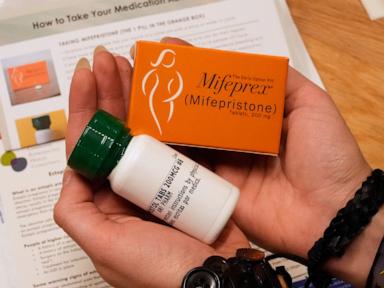
The Food and Drug Administration announced that its comprehensive safety review of mifepristone, the nation's primary abortion medication, will extend beyond 2024 and into 2025. This timeline extension marks a significant development in the regulatory scrutiny surrounding medication abortion, which now accounts for the majority of all U.S. abortions.
The FDA's review began following legal challenges filed by anti-abortion groups and Republican lawmakers who have questioned the safety protocols surrounding mifepristone's distribution. The agency initially approved mifepristone in 2000 and has permitted expanded access through mail delivery in recent years, particularly after the Supreme Court overturned Roe v. Wade in 2022, limiting states' ability to ban abortion but allowing them to impose restrictions.
The extended timeline reflects the complexity of the regulatory review process. The FDA must examine clinical data, adverse event reports, and safety outcomes associated with mifepristone use across diverse patient populations. The agency faces pressure from multiple directions: abortion rights advocates worry the review represents a pretext for restricting access, while abortion opponents contend the drug remains inadequately monitored for serious complications.
Mifepristone, used in combination with misoprostol, comprises the standard medication abortion regimen. Since the Supreme Court's 2022 decision, medication abortion has become increasingly prevalent in states without strict abortion bans. The drug's accessibility through mail delivery has become a central battleground in the abortion debate, with Republican-led states attempting to restrict interstate shipments and Biden administration officials defending the FDA's current approval framework.
The review's extended duration creates uncertainty for patients, providers, and policymakers. Abortion clinics and telehealth providers depend on consistent FDA guidance to serve patients effectively. Anti-abortion groups view the ongoing review as an opportunity to challenge existing approval conditions, potentially supporting efforts to restrict mifepristone's availability even in states where abortion remains legal.
The FDA's decision to extend its review reflects standard regulatory practice for drugs facing renewed scrutiny, yet the political environment surrounding medication abortion differs sharply from typical pharmaceutical reviews. Congress has held hearings on mifepristone safety. Republican senators have demanded the FDA revoke or severely restrict the drug's approval. Multiple states have enacted legislation attempting to block mifepristone access despite federal approval, setting up legal conflicts between state and federal authority.
The agency's extended timeline does not necessarily indicate findings of safety problems. Rather, comprehensive reviews of widely-used medications often require substantial time to collect and analyze real-world safety data. The FDA must evaluate whether current distribution safeguards adequately protect patients and whether modifications to approval conditions are warranted based on accumulated evidence.
The outcome of this review will reshape abortion access nationwide. A decision to restrict mifepristone's availability could force patients in restrictive states to pursue surgical abortion or travel for care. Conversely, maintaining or expanding current approval frameworks would preserve medication abortion as a primary option in states protecting abortion rights.
The review continues as the 2024 election cycle intensifies debate over abortion policy. Both Democratic and Republican candidates have framed their positions on medication abortion access as central to their platforms. The FDA's review conclusion timing could influence the political landscape surrounding this issue heading into 2025.