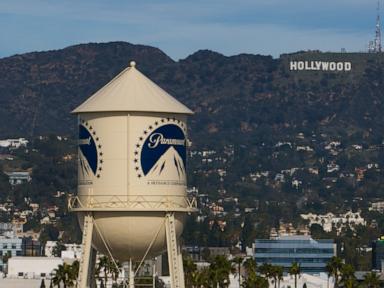
Paramount, now owned by Skydance Media, has finalized its $81 billion acquisition of Warner Bros. The deal completion marks a watershed moment in Hollywood consolidation, creating a media behemoth with control over iconic franchises, studios, and distribution networks that shaped American entertainment for generations.
The merger unites two of Hollywood's most storied companies. Paramount brings franchises including Mission Impossible, Star Trek, and Transformers. Warner Bros contributes DC Comics properties, Harry Potter, and The Lord of the Rings. The combined entity holds vast television and film production capacity across multiple genres and platforms.
This transaction reshapes the competitive landscape in entertainment at a time when streaming services and tech giants have disrupted traditional media distribution. Amazon, Apple, and Netflix have invested heavily in content creation, prompting traditional studios to consolidate for scale and resource pooling. The Paramount-Warner Bros union positions the new conglomerate to compete more effectively against streaming platforms while maintaining theatrical distribution and cable television assets.
The deal faced regulatory scrutiny but ultimately cleared antitrust review. The Federal Trade Commission and Department of Justice evaluated whether combining two major studios would reduce competition or harm consumers. Authorities concluded the merger could proceed, though the review process took months and involved detailed market analysis.
Skydance Media, the acquisition vehicle, is controlled by billionaire David Ellison. His family office holds majority stakes in the merged company. This ownership structure represents a shift away from the publicly traded corporate structures that long dominated Hollywood. Private equity and family offices now shape studio decisions in ways that bypass shareholder voting and public disclosure requirements.
The integration presents operational challenges. Paramount and Warner Bros operate separate production facilities, distribution networks, and personnel structures. Consolidating these operations requires eliminating redundancies, potentially including job losses in executive suites, production roles, and support functions. The companies have already announced workforce reductions as part of integration planning.
Content strategy will shift under unified leadership. The combined studio can coordinate franchise development, avoid competing projects, and leverage cross-promotional opportunities. A single IP portfolio spanning superheroes, action franchises, animated properties, and prestige dramas gives the company unparalleled portfolio diversity. This reduces risk through broader content offerings across theatrical, streaming, and television platforms.
The merger reflects broader consolidation trends. Paramount previously acquired CBS in a reverse merger. Warner Bros Discovery formed through the merger of WarnerMedia and Discovery in 2022. Disney maintains its position as the dominant studio through acquisitions of Fox assets and earlier Marvel and Lucasfilm purchases. Sony Pictures remains independent but smaller. These structural changes concentrate creative and financial power among fewer entities.
Distribution rights and existing contracts require renegotiation. Talent agreements, production deals, and licensing arrangements tied to either company may be terminated or renegotiated. This creates both leverage opportunities and potential disputes. The company must navigate these contractual complexities while maintaining production schedules and talent relationships.
The new Paramount represents one of the few remaining fully integrated studios. Its television networks, streaming service Paramount+, production capabilities, and theatrical distribution create a vertically integrated operation. This model contrasts with some competitors relying more heavily on streaming or external distribution partners. The architectural integration provides both operational advantages and complexity.
Skydance's takeover concludes a chapter in which Paramount existed as an independent public company. Industry observers will monitor whether the unified company competes effectively against established rivals and whether the merger realizes anticipated synergies.