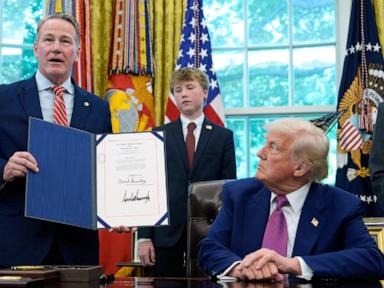
Donald Trump traveled to Ohio to campaign for Republican Jon Husted in one of the 2024 cycle's most competitive Senate races against incumbent Democrat Sherrod Brown. Trump's appearance underscores the stakes in a state that has shifted rightward in recent years but remains genuinely competitive at the Senate level.
Husted, Ohio's secretary of state, faces an uphill climb against Brown, who has held his Senate seat since 2006 and built a reputation as a Democrat who appeals to working-class voters in industrial regions. Brown won reelection in 2018 despite Trump's popularity in Ohio, but demographic and political shifts have made the race far tighter this cycle. Recent polling shows the race within the margin of error, making Trump's endorsement and ground game essential to Husted's path to victory.
Trump's decision to campaign in Ohio reflects the state's electoral importance. Ohio has voted for the winning presidential candidate in every election since 1964, making it a bellwether state. However, Trump lost Ohio in the 2020 general election to Joe Biden, though he carried it decisively in 2016. The state's political lean has shifted substantially toward Republicans in Senate and gubernatorial races even as it remains narrowly divided in presidential contests.
For Husted, Trump's endorsement and rally represent an effort to consolidate Republican base voters while energizing Trump's own loyal supporters. Husted has attempted to position himself as a moderate Republican with executive experience, but the race has hinged largely on national political currents rather than state-specific issues. Brown's campaign has focused on contrasting his record fighting for Ohio manufacturing jobs against Republican efforts to cut Social Security and Medicare, themes that resonate with the state's aging industrial workforce.
The Senate race reflects broader Republican strategy heading into the election. Party leaders view Ohio as a pickup opportunity where demographic changes and anti-incumbent sentiment could flip the seat. Democrats counter that Brown's deep roots in Ohio and his distinct brand of populist economics insulate him against national headwinds. Outside spending in the race has exceeded $100 million, making it one of the most expensive Senate contests in the cycle.
Trump's visit also serves his own political interests. The former president continues to exercise substantial influence over Republican primary and general election outcomes, and his presence in Ohio demonstrates his continued relevance within the party. Trump has endorsed Husted and other Republican candidates aligned with his political movement.
The timing of Trump's rally comes as early voting and mail-in voting periods open across Ohio, a period when campaigns typically shift focus toward turnout operations. Both campaigns have invested heavily in voter contact and registration efforts, recognizing that controlling turnout could determine the outcome in a closely divided state.
The Ohio Senate race ranks among the top two or three most competitive races nationally and will likely receive continued attention from national party committees, outside groups, and candidates themselves through Election Day. Control of the Senate remains uncertain, making each competitive seat potentially decisive.