# Mormon Leader Warns Against Explosion in Sports Betting and Prediction Markets
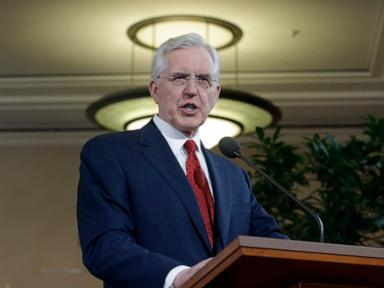
A senior leader of The Church of Jesus Christ of Latter-day Saints has publicly criticized the rapid expansion of online sports betting and prediction markets, warning that the trend encourages greed and poses risks to younger generations.
The church official's remarks reflect growing anxiety across religious communities about the normalization of gambling through digital platforms. Over the past five years, legal sports betting has expanded dramatically across the United States following the Supreme Court's 2018 decision to strike down the federal ban on state-sponsored wagering. What was once confined to Nevada casinos now operates in dozens of states, with mobile apps making participation frictionless for users of all ages.
Prediction markets, platforms where users wager on the outcomes of events ranging from sports to elections to weather, have grown parallel to traditional sportsbooks. Companies like Polymarket and PredictIt have attracted millions of users, normalizing betting behavior that was previously stigmatized or illegal in many jurisdictions. The accessibility of these platforms, combined with aggressive marketing targeting younger demographics, has created what the church leader identified as a systemic problem: the cultivation of greed and speculative thinking among youth.
The Latter-day Saints church has long maintained strict teachings against gambling as part of its moral code. Church doctrine classifies gambling as inconsistent with personal financial stewardship and spiritual development. The church's educational institutions and leadership regularly counsel members to avoid all forms of wagering. This latest public statement reflects the organization's effort to maintain that stance as gambling becomes increasingly mainstream and socially acceptable in American culture.
The warning arrives amid broader societal debates about gambling regulation. Public health experts and addiction specialists have documented rising rates of problem gambling, particularly among young adults. Studies show that easy access to mobile betting correlates with increased rates of gambling disorders. The American Psychiatric Association recognizes gambling disorder as a mental health condition with serious consequences for individuals and families.
Several states have begun examining whether their regulatory frameworks adequately protect consumers and young people. Some jurisdictions have implemented restrictions on marketing to minors, imposed betting limits, and funded treatment programs for gambling addiction. Federal lawmakers have occasionally proposed legislation addressing these issues, though comprehensive federal regulation remains absent.
The Latter-day Saints statement also reflects broader interfaith consensus. Catholic, evangelical, and other religious leaders have similarly expressed concerns about normalized gambling culture. Beyond religious objections, economists and policymakers debate whether prediction markets truly serve the public interest or simply extract wealth from casual participants into the hands of sophisticated traders.
The expansion of sports betting and prediction markets represents a fundamental shift in American attitudes toward wagering. What was once compartmentalized and illegal is now legal, advertised during major sporting events, and embedded in mainstream financial culture. Religious organizations like the Latter-day Saints are among the few remaining institutions explicitly opposing this trend through their moral teachings and public statements.
The church's continued emphasis on this issue signals that religious opposition to gambling will likely persist, even as the broader culture continues normalizing betting behavior.