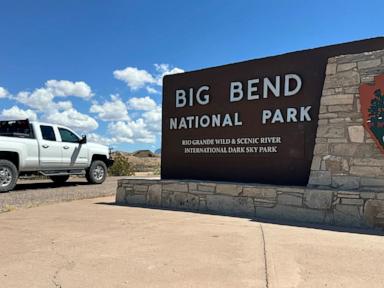
A federal judge in Texas has issued a temporary restraining order blocking the Trump administration from constructing a border wall in the Big Bend region, according to court filings. The order halts wall construction in one of Texas' most remote and ecologically sensitive border areas pending further legal proceedings.
The decision comes as the Trump administration has moved aggressively to resume border wall construction after taking office. The Big Bend region, which spans parts of Brewster County along the Rio Grande, encompasses some of the most challenging terrain on the U.S.-Mexico border and contains protected lands and wildlife habitat.
The restraining order emerged from a lawsuit challenging the administration's plans. Legal challenges to border wall construction typically focus on environmental impacts, tribal sovereignty, water rights, and property seizures through eminent domain. The Big Bend region contains multiple overlapping land designations that complicate federal authority to build infrastructure, including protected areas managed by the National Park Service.
The Trump administration has made border wall construction central to its immigration enforcement agenda. The Department of Homeland Security and Army Corps of Engineers have prioritized sections where construction can proceed quickly, often targeting areas with existing barriers or less complex terrain. The Big Bend region represents a different challenge due to its geography, environmental protections, and remote location.
Federal judges in Texas and Arizona have previously blocked or delayed border wall projects through temporary restraining orders and preliminary injunctions. These legal battles typically move through district courts before reaching appellate courts. The outcome often depends on whether courts find the government adequately complied with environmental review requirements under the National Environmental Policy Act or consulted required stakeholders.
The temporary restraining order lasts for a limited period, typically 14 days, while the court considers whether to issue a longer preliminary injunction. This extended injunction would remain in place throughout the litigation unless overturned on appeal. The full case could take months or years to resolve through district court, with further appeals likely.
Environmental groups and property rights advocates oppose wall construction in Big Bend, citing impacts on wildlife migration, water flow patterns, and scenic preservation. The area contains habitat for endangered species including ocelots and gray wolves. Local property owners have expressed mixed views on wall construction, with some supporting border security measures and others concerned about impacts to ranching operations and water access.
The Trump administration has authority to waive environmental review requirements for border barrier construction under the REAL ID Act of 2005, a statute that grants the Department of Homeland Security broad discretion. However, courts have previously found that agencies must still follow procedural requirements even when environmental reviews are waived, and must issue records explaining their decisions.
The Big Bend ruling represents one of multiple legal fronts where border wall construction faces judicial scrutiny. The administration's litigation strategy involves aggressively defending government authority while appealing unfavorable decisions. Environmental and civil rights organizations have committed substantial resources to challenging construction in sensitive areas.
The outcome in Big Bend could influence future wall construction plans in other ecologically protected border regions, setting precedent for how courts balance national security authority against environmental protection requirements.