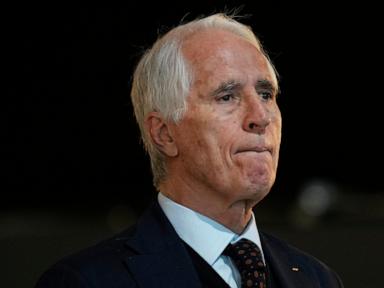
# Italian Soccer Chief Malagò Under Investigation as Euro 2032 Stadium Plans Stall
Giovanni Malagò, president of the Italian Football Federation, faces a formal inquiry from the Italian Olympic Committee over his conduct and management decisions. The investigation marks a significant blow to the sports administrator who has held substantial influence over Italian athletics for years.
The inquiry centers on multiple governance issues within Malagò's tenure at the federation. Italian Olympic Committee officials launched the formal review after concerns emerged about administrative transparency and decision-making processes. The specific allegations remain under review, but the investigation signals rising pressure on Malagò's leadership amid broader questions about how federation resources are deployed.
Compounding these governance challenges, Italy's planned hosting of Euro 2032, the European soccer championship, faces stadium infrastructure obstacles. The federation must secure adequate venues across the country to accommodate the tournament, which typically requires multiple world-class stadiums. Stadium preparation timelines have slipped, and local authorities have raised concerns about funding commitments and construction feasibility.
Italy won the right to co-host Euro 2032 alongside another nation, but the arrangement requires Rome and other major Italian cities to deliver stadium upgrades and new facilities within specific deadlines. The infrastructure demands have proven more complex than initially projected. Local governments question whether adequate public funding will materialize alongside private investment commitments.
These dual pressures create operational strain on Malagò's administration. The Olympic Committee inquiry diverts leadership attention during a period when the federation must execute detailed tournament planning. Stadium negotiations demand constant engagement with municipal officials, construction firms, and financial institutions. Delays in either domain could jeopardize Italy's hosting status or damage the federation's credibility with European soccer authorities.
Malagò has led the Italian Football Federation since 2014 and simultaneously served in leadership roles within the Italian Olympic Committee structure. His dual positions granted him substantial authority over Italian sports governance but also created potential conflicts of interest. The Olympic Committee investigation specifically scrutinizes whether his management decisions benefited certain interests or violated federation bylaws.
The political dimensions extend beyond sports administration. Italian political leaders have invested significant national prestige in Euro 2032 hosting. Tournament success reflects national competence and sporting capacity. Tournament failure creates domestic political consequences for governing officials who supported the hosting bid. National government ministries responsible for sports oversight now face questions about their own accountability.
Stadium issues particularly affect Rome, which must renovate the Stadio Olimpico or construct a new facility. The capital city's municipal government has grappled with budget constraints and competing infrastructure priorities. Rome's mayor expressed commitment to Euro 2032 preparations but indicated funding gaps that require national support.
The federation typically functions under relatively stable leadership, but Malagò's current position appears vulnerable. If the Olympic Committee inquiry reaches unfavorable conclusions, pressure for his resignation could intensify from federation board members and political stakeholders. His departure mid-tournament preparation would create leadership instability during a critical planning period.
Italy has hosted major soccer tournaments successfully in the past, most recently Euro 2020 (played in 2021 due to pandemic delays). That experience positioned Italy favorably for future hosting, but current infrastructure and governance challenges test whether the nation can repeat that performance.